

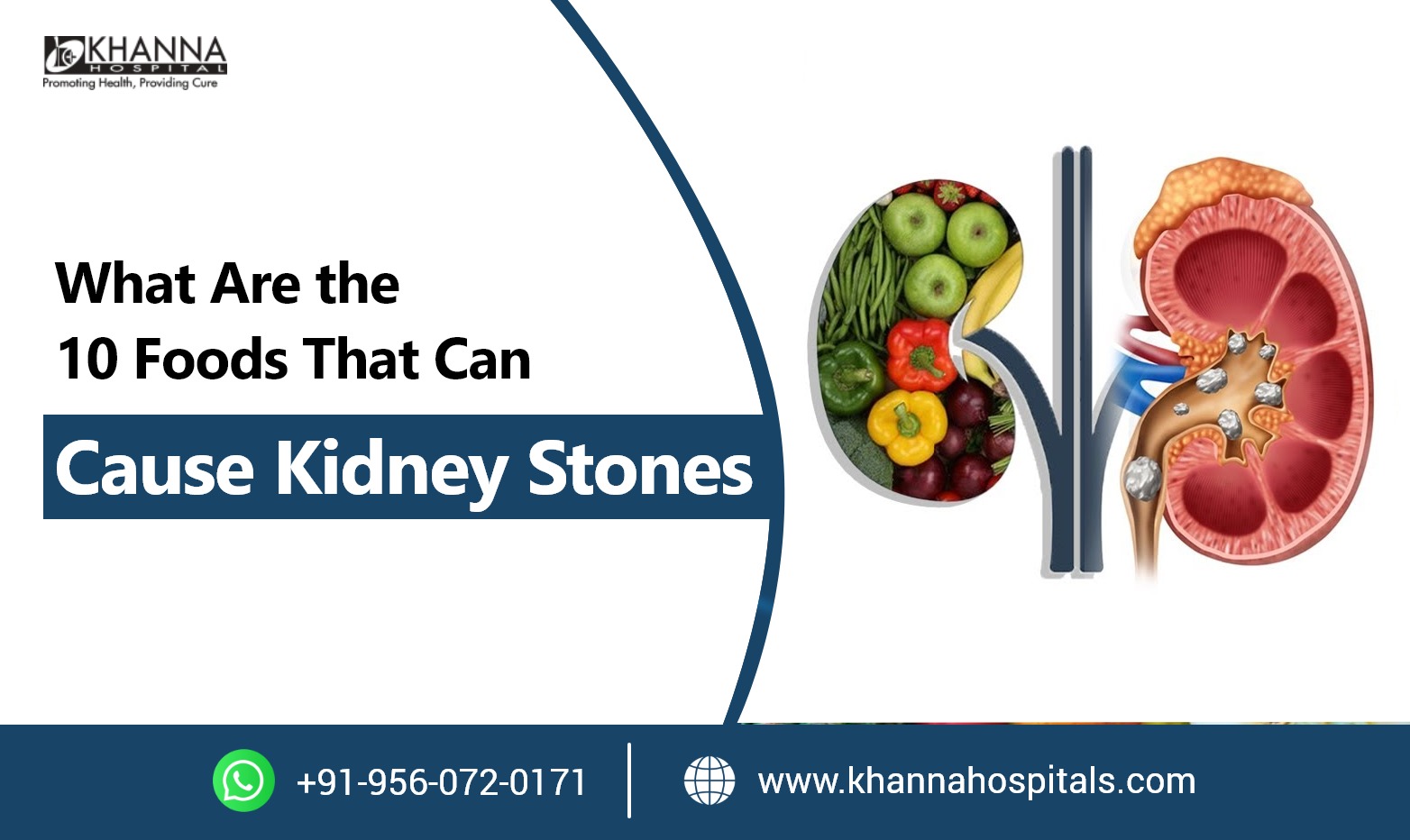
Kidney stones are one of the most painful urinary tract conditions, affecting millions of people worldwide. These hard mineral deposits form inside the kidneys when substances like calcium, oxalate, and uric acid become highly concentrated in urine. While genetics, dehydration, and certain medical conditions play a role, your diet is one of the biggest contributors to kidney stone formation.
Ask Your Query
Understanding which foods increase the risk of kidney stones can help you make smarter dietary choices and protect your kidney health. In this comprehensive guide, we will explore the 10 foods and drinks most commonly linked to kidney stones, why they are problematic, and how you can lower your risk naturally.
Understanding Kidney Stones
Kidney stones are solid crystals made from minerals and salts that accumulate in the kidneys. The most common types include:
- Calcium oxalate stones – the most common type
- Uric acid stones
- Struvite stones
- Cystine stones
Among these, calcium oxalate stones are strongly linked to diet, especially foods high in oxalates and sodium.
Common symptoms include:
- Severe back or side pain
- Pain during urination
- Blood in urine
- Nausea and vomiting
- Frequent urination
- Cloudy or foul-smelling urine
Preventing kidney stones often begins with adjusting your eating habits.
1. Spinach
Spinach is considered one of the highest-oxalate foods. Oxalates bind with calcium in the urine and form calcium oxalate stones.
Although spinach is rich in nutrients like iron and vitamins, consuming it excessively may increase stone risk in susceptible individuals.
Why It Causes Kidney Stones
- Extremely high oxalate content
- Promotes calcium oxalate crystal formation
Better Alternatives
- Kale
- Cabbage
- Lettuce
Tip
If you eat spinach, pair it with calcium-rich foods such as yogurt or cheese to reduce oxalate absorption.
2. Rhubarb
Rhubarb contains exceptionally high oxalate levels, making it a major contributor to kidney stone formation.
Why It Causes Kidney Stones
- Oxalates accumulate in urine
- Increases calcium oxalate stone risk
Safer Option
Choose lower-oxalate fruits like apples, bananas, or berries instead.
3. Nuts and Seeds
Certain nuts and seeds, especially almonds, peanuts, and cashews, are high in oxalates.
Why They Cause Kidney Stones
- High oxalate concentration
- Excessive consumption may raise urinary oxalate levels
Nuts to Limit
- Almonds
- Cashews
- Peanuts
Better Choices
- Macadamia nuts
- Walnuts (in moderation)
4. Beets
Beets are nutritious but contain a high amount of oxalates.
Why They Cause Kidney Stones
- Increase oxalate levels in urine
- Promote calcium oxalate stone development
Tip
Eat beets occasionally rather than daily if you are prone to kidney stones.
5. Okra
Okra is another vegetable associated with kidney stone formation because of its oxalate content.
Why It Causes Kidney Stones
- High oxalate levels
- May contribute to crystal buildup
Alternatives
- Green peas
- Cucumbers
- Zucchini
6. Processed Meats and Excess Animal Protein
Red meat, pork, bacon, sausages, and other processed meats can increase uric acid production.
Why They Cause Kidney Stones
- High purine content
- Raises uric acid levels
- Lowers citrate, which protects against stones
Foods to Limit
- Beef
- Pork
- Organ meats
- Processed deli meats
Better Protein Sources
- Beans
- Lentils
- Fish (in moderation)
- Plant-based proteins
7. Salty and Processed Foods
Foods high in sodium are a major risk factor for kidney stones.
Why Salt Causes Kidney Stones
Too much sodium causes the kidneys to release more calcium into the urine, increasing stone formation.
High-Sodium Foods
- Potato chips
- Fast food
- Instant noodles
- Canned soups
- Frozen meals
Daily Sodium Recommendation
Aim for less than 2,300 mg of sodium per day.
8. Chocolate and Cocoa Powder
Chocolate lovers should be cautious because cocoa products are high in oxalates.
Why Chocolate Causes Kidney Stones
- Contains concentrated oxalates
- May contribute to calcium oxalate stones
Better Sweet Options
- White chocolate (lower oxalates)
- Fruit-based desserts
9. Sugary Sodas and Soft Drinks
Cola beverages and sugary drinks are strongly associated with kidney stone risk.
Why They Cause Kidney Stones
- High sugar content
- Phosphoric acid increases stone risk
- Promote dehydration
Drinks to Avoid
- Cola sodas
- Energy drinks
- Sugary packaged juices
Healthier Drinks
- Water
- Lemon water
- Coconut water
10. Black Tea and Iced Tea
Tea can be healthy in moderation, but excessive black tea intake may contribute to stones due to high oxalate levels.
Why Tea Causes Kidney Stones
- High oxalate concentration
- Dehydration if consumed excessively
Better Alternatives
- Herbal tea
- Green tea in moderation
Bonus Risk Factor: Excess Vitamin C Supplements
Taking too much Vitamin C may increase oxalate production in the body.
Why It Increases Risk
The body converts excess Vitamin C into oxalates.
Safe Intake
Avoid high-dose supplements unless prescribed by a healthcare provider.
How to Prevent Kidney Stones Naturally
Preventing kidney stones does not mean eliminating healthy foods completely. Instead, focus on balance and moderation.
1. Drink Plenty of Water
Hydration dilutes minerals in urine and prevents crystal formation.
Goal
Drink 2–3 liters of water daily unless advised otherwise by your doctor.
2. Eat Calcium-Rich Foods
Many people mistakenly avoid calcium, but dietary calcium actually helps bind oxalates in the gut.
Good Sources
- Milk
- Yogurt
- Cheese
3. Reduce Sodium Intake
Lowering salt intake can significantly reduce calcium buildup in urine.
4. Limit Sugar and Processed Foods
Excess sugar contributes to obesity and metabolic issues linked to stones.
5. Eat More Citrate-Rich Foods
Citrate helps prevent stones from forming.
Best Sources
- Lemons
- Oranges
- Limes
Foods That Help Prevent Kidney Stones
Here are some kidney-friendly foods:
- Bananas
- Watermelon
- Cucumbers
- Cauliflower
- Rice
- Oats
- Yogurt
- Lemon water
When to See a Doctor
Consult a healthcare professional if you experience:
- Severe pain
- Blood in urine
- Recurrent stones
- Fever with urinary symptoms
- Difficulty urinating
Early treatment can prevent complications and protect kidney function.
Final Thoughts
Kidney stones can be extremely painful, but dietary changes can dramatically reduce your risk. Foods high in oxalates, sodium, sugar, and animal protein are among the biggest dietary triggers. By staying hydrated, eating balanced meals, and moderating high-risk foods, you can support better kidney health and reduce future stone formation.
Remember, you do not always need to completely eliminate these foods. Moderation, hydration, and smart food pairing are often the key to prevention.
FAQs:
Q1. What foods are the worst for kidney stones?
A1. Spinach, rhubarb, nuts, processed meats, salty foods, and sugary sodas are among the worst foods for kidney stones.
Q2. Can drinking water dissolve kidney stones?
A2. Water cannot instantly dissolve stones, but proper hydration helps small stones pass naturally and prevents new stones from forming.
Q3. Is coffee bad for kidney stones?
A3. Moderate coffee intake is generally safe, but excessive caffeine may contribute to dehydration.
Q4. Are bananas good for kidney stones?
A4. Yes, bananas are low in oxalates and rich in potassium, making them kidney-friendly.
Q5. Can milk cause kidney stones?
A5. No. Dietary calcium from milk may actually help prevent calcium oxalate stones.
Q6. Is lemon water good for kidney stones?
A6. Yes, lemon water contains citrate, which helps prevent stone formation.
Q7. Are eggs bad for kidney stones?
A7. Eggs contain animal protein, which may increase uric acid stones if eaten excessively.
Q8. Which fruits help prevent kidney stones?
A8. Watermelon, lemons, oranges, and bananas are excellent choices for kidney health.
Q9. Can tea cause kidney stones?
A9. Excessive black tea consumption may increase oxalate intake and raise kidney stone risk.
Q10. How can I prevent kidney stones naturally?
A10. Drink plenty of water, reduce sodium, limit high-oxalate foods, and maintain a balanced diet rich in calcium and citrate.