
If you or someone you love has been advised to undergo a hysterectomy, one of the first questions that arises is: Is uterus removal a major surgery? The short answer is yes. Uterus removal surgery — medically known as a hysterectomy — is one of the most commonly performed major surgical procedures in women worldwide. Understanding what it involves, why it is considered serious, and what recovery looks like can help you make an informed, confident decision about your health.
Ask Your Query
What Is Uterus Removal Surgery?
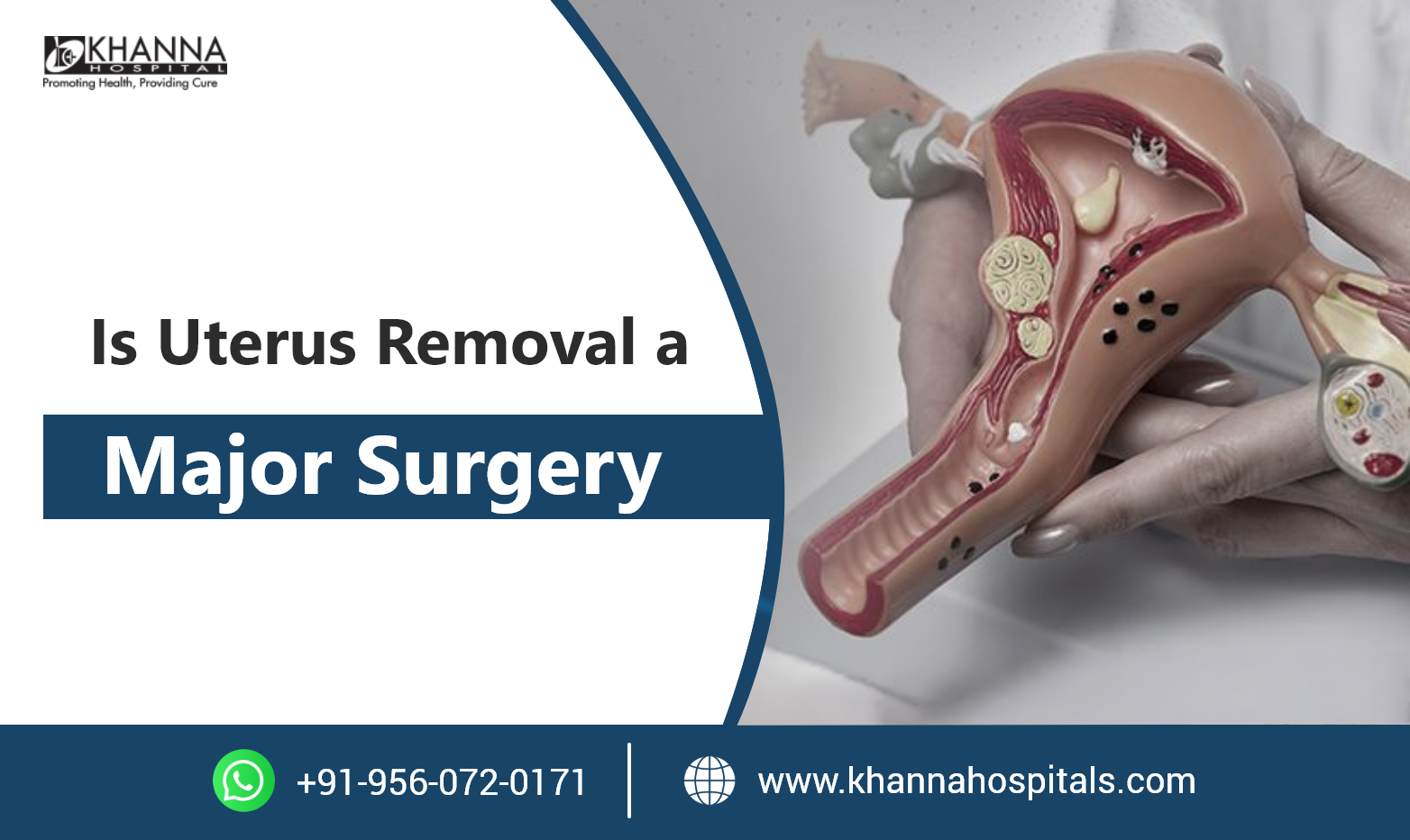
Uterus removal surgery, or hysterectomy, is the surgical removal of the uterus (womb). Depending on the medical indication, the surgeon may also remove the cervix, ovaries, and fallopian tubes during the same procedure.
According to global gynecological data, hysterectomy is one of the most frequently performed surgeries on women after cesarean sections. It is performed to treat conditions such as:
- Uterine fibroids — non-cancerous growths causing pain or heavy bleeding
- Endometriosis — tissue similar to the uterine lining growing outside the uterus
- Uterine prolapse — when the uterus slips into or outside the vaginal canal
- Abnormal uterine bleeding — heavy or prolonged periods that don’t respond to other treatments
- Uterine, cervical, or ovarian cancer
- Chronic pelvic pain
Once the uterus is removed, menstruation stops permanently, and pregnancy is no longer possible. This makes the decision deeply personal, and the surgery genuinely life-altering.
Is Uterus Removal a Serious Surgery?
Yes — uterus removal is a serious surgery by every clinical standard. It requires general or regional anesthesia, involves operating within the pelvic cavity near vital structures like the bladder, bowel, and major blood vessels, and carries a recovery period of several weeks to months.
Here is why it qualifies as a serious surgical procedure:
- Anesthesia Involvement
All types of hysterectomy require either general anesthesia (you are completely unconscious) or spinal/epidural anesthesia. This alone places the procedure in the category of major surgery.
- Risk of Complications
Like any major operation, uterus removal surgery carries potential risks including:
- Excessive bleeding (hemorrhage)
- Infection at the surgical site
- Injury to nearby organs such as the bladder or ureter
- Blood clots (deep vein thrombosis or pulmonary embolism)
- Adverse reactions to anesthesia
- Early menopause if the ovaries are removed (surgical menopause)
- Hospital Stay Required
Most patients remain hospitalized for 1 to 3 days post-surgery, depending on the surgical approach chosen.
- Hormonal and Emotional Impact
If the ovaries are removed along with the uterus (called a bilateral oophorectomy), the body enters surgical menopause immediately. This can trigger hot flashes, mood changes, sleep disturbances, and reduced bone density — requiring hormonal management for many patients.
Is Uterus Removal a Big Surgery?
Yes — uterus removal is a big surgery, and it should not be minimized. It involves accessing the deep pelvic region, ligating (tying off) major blood vessels, and permanently altering the body’s reproductive anatomy. Even the least invasive laparoscopic approach is still considered a significant operative procedure.
There are three main surgical approaches, and each reflects the scale of the operation:
1. Abdominal Hysterectomy (Open Surgery)
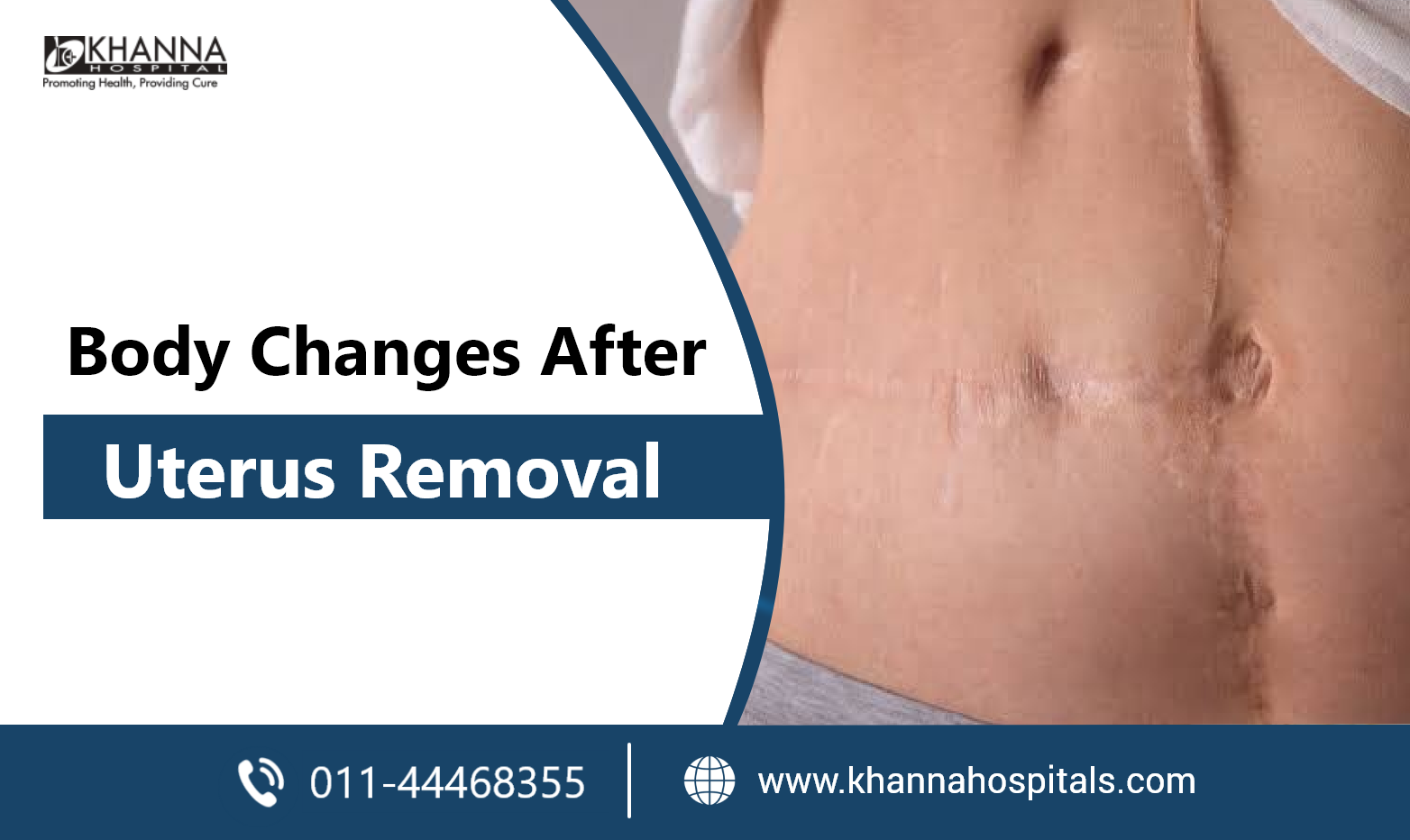
The uterus is removed through a large incision in the lower abdomen. This is the most extensive approach, with a hospital stay of 2–3 days and a full recovery of 6–8 weeks.
2. Vaginal Hysterectomy
The uterus is removed through the vaginal canal with no external incisions. Recovery is generally faster (4–6 weeks), but it is still classified as major pelvic surgery.
3. Laparoscopic or Robot-Assisted Hysterectomy (Minimally Invasive)
Small incisions are made in the abdomen. A camera and instruments guide the procedure. Recovery is shorter (2–4 weeks), but it still requires general anesthesia and full post-operative care.
Regardless of approach, all three types are categorized as major surgical procedures in clinical practice.
What to Expect Before, During, and After Uterus Removal Surgery
Before Surgery
Your surgeon will request blood tests, imaging (ultrasound or MRI), and a full medical history review. You may be asked to stop certain medications like blood thinners and to fast for 8–12 hours before the procedure.
During Surgery
Depending on the type of hysterectomy, the procedure takes between 1 to 3 hours. The surgical team monitors your vitals continuously throughout.
After Surgery
- Pain management with prescribed medications for the first 1–2 weeks
- Restricted activity — no heavy lifting or strenuous exercise for 4–8 weeks
- Pelvic rest — no sexual intercourse for 6–8 weeks
- Follow-up appointments to monitor healing and manage any hormonal changes
- Emotional recovery — many women experience grief, relief, or a complex mix of emotions after the surgery
Long-Term Effects of Uterus Removal Surgery
Understanding long-term effects is essential when evaluating whether uterus removal surgery is the right choice:
- Permanent end of menstruation — no more periods
- Infertility — pregnancy is no longer possible
- Surgical menopause (if ovaries removed) — with associated symptoms
- Reduced risk of certain cancers — particularly if the procedure was performed for cancer prevention
- Improved quality of life — many women report significant relief from pain, heavy bleeding, and pelvic pressure
FAQs:
Q1: Is uterus removal a major surgery?
Yes. Uterus removal surgery (hysterectomy) is classified as a major surgical procedure. It requires anesthesia, a hospital stay, and a recovery period ranging from 2 to 8 weeks depending on the approach used.
Q2: Is uterus removal a serious surgery?
Absolutely. It involves operating within the pelvic cavity near critical structures, carries risks such as bleeding, infection, and organ injury, and results in permanent reproductive changes. It is taken very seriously by surgeons and anesthesiologists alike.
Q3: Is uterus removal a big surgery?
Yes. Even the minimally invasive laparoscopic version is considered a significant surgical event. The open abdominal approach is one of the larger pelvic surgeries performed in women and requires the longest recovery.
Q4: How long does it take to recover from uterus removal surgery?
Recovery depends on the type of hysterectomy. Minimally invasive approaches (laparoscopic or vaginal) typically take 2–4 weeks, while open abdominal hysterectomy may require 6–8 weeks for full recovery.
Q5: Will I go into menopause after uterus removal surgery?
If only the uterus is removed (and ovaries are kept), you will not enter menopause immediately — though periods will stop. If the ovaries are also removed, you will enter surgical menopause right away, regardless of age.
Q6: Can uterus removal surgery be avoided?
In many cases, yes — especially when the condition is non-cancerous. Alternatives include hormonal therapy, uterine fibroid embolization, endometrial ablation, or myomectomy. However, for cancer, prolapse, or severe cases unresponsive to other treatments, surgery is often necessary.
Q7: What is the safest type of hysterectomy?
Laparoscopic or robot-assisted hysterectomy is generally considered the safest and least invasive option, with lower complication rates and faster recovery. However, the best approach depends on your specific condition, uterus size, and surgical history.
Q8: How do I prepare for uterus removal surgery?
Preparation includes pre-operative blood tests, imaging, stopping certain medications, fasting before surgery, and arranging post-operative care at home. Your surgeon will give you a personalized pre-op checklist.
Final Word
To directly answer the question: Is uterus removal a major surgery? — yes, it is major, serious, and significant by every clinical and personal measure. It permanently alters your body, requires real recovery time, and carries real risks. At the same time, for many women, it is genuinely life-changing in the best way — ending years of pain, bleeding, and suffering.
If you have been advised to consider uterus removal surgery, speak openly with your gynecologist or surgeon about all available options, the specific type of hysterectomy recommended for your case, and what you can expect at every stage. A well-informed patient makes the best decisions.