
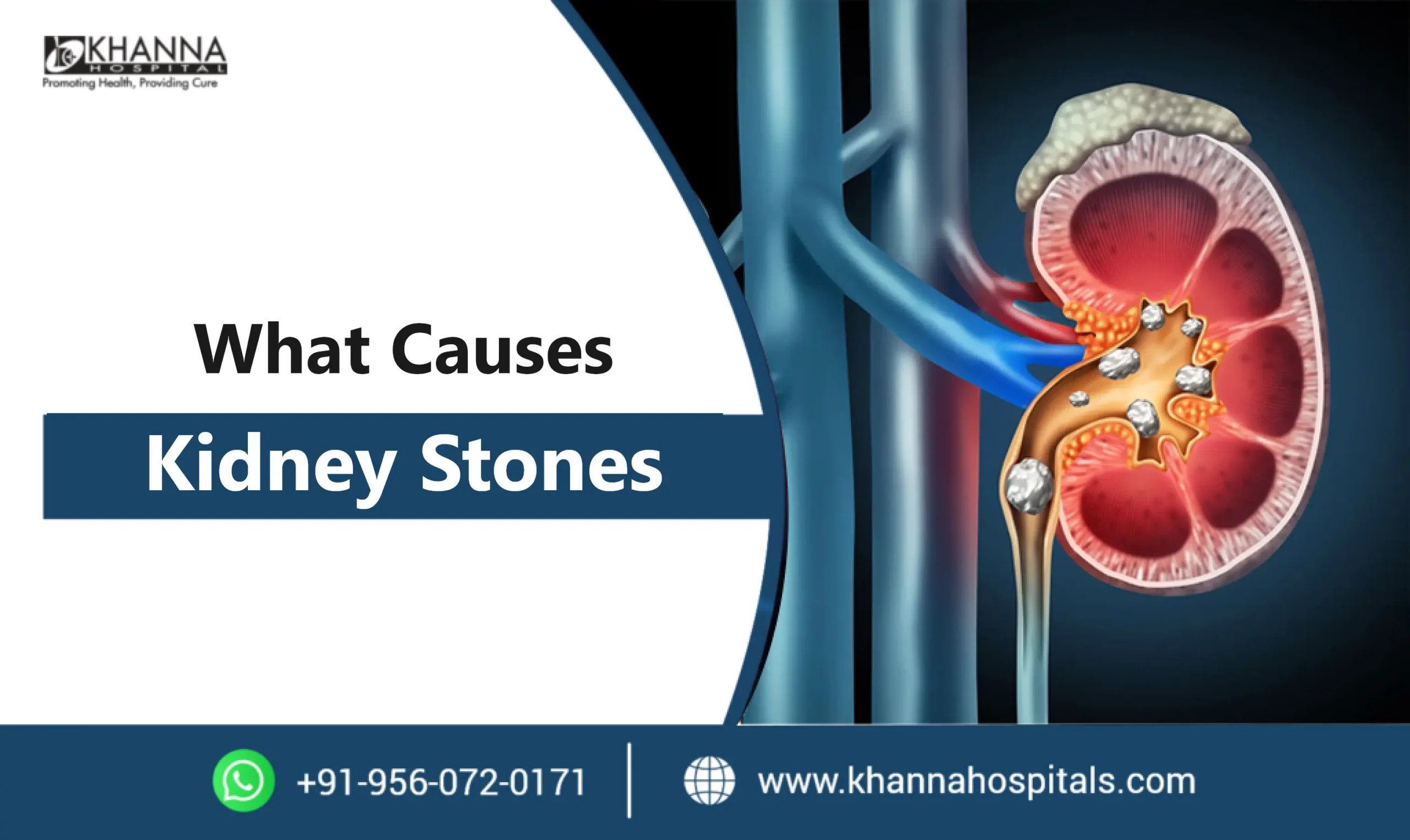
Kidney stones are hard, crystal-like deposits that form inside the kidneys. They can be as small as a grain of sand or, in some cases, large enough to cause severe pain and block the flow of urine. Kidney stones are common, and many people experience them more than once during their lifetime.
Ask Your Query
But What Exactly Causes Kidney Stones?
In most cases, kidney stones develop when certain substances in the urine become too concentrated and form crystals. These crystals can gradually stick together and grow into a stone. Dehydration is one of the most important risk factors, but diet, genetics, certain medical conditions, medications, and lifestyle factors can also increase the risk.
This article explains the major causes of kidney stones, the different types of stones, common risk factors, symptoms, and ways to reduce your chances of developing them.
What Are Kidney Stones?
Kidney stones are solid masses made from minerals and salts that form in the kidneys. Normally, urine contains substances that prevent these minerals from forming crystals. However, when there is too much of a stone-forming substance or not enough fluid in the urine, crystals may develop.
Over time, these crystals can combine and become larger.
A kidney stone may remain in the kidney without causing any symptoms. Problems usually occur when the stone moves into the ureter—the narrow tube that carries urine from the kidney to the bladder.
If the stone becomes lodged in the ureter, it can block urine flow and cause significant pain.
What Causes Kidney Stones?
Kidney stones do not have just one cause. They usually develop because of a combination of factors that change the balance of substances in the urine.
1. Not Drinking Enough Water
Dehydration is one of the most common risk factors for kidney stones.
When you do not drink enough fluids, your urine becomes more concentrated. This means substances such as calcium, oxalate, uric acid, and other minerals are present in higher concentrations, making it easier for crystals to form.
People who sweat heavily, work in hot environments, exercise intensely, or live in hot climates may have a higher risk if they do not replace the fluids they lose.
Tip: Drinking enough water throughout the day helps dilute urine and can reduce the concentration of stone-forming substances.
2. A Diet High in Salt
Eating too much sodium can increase the amount of calcium released into the urine. Higher urinary calcium can increase the likelihood of calcium-based kidney stones.
Common sources of excess sodium include:
- Processed foods
- Packaged snacks
- Pickles
- Instant noodles
- Fast food
- Processed meats
- Canned foods
- Salty sauces and condiments
Reducing excessive salt intake can be particularly helpful for people who are prone to calcium stones.
3. Eating Too Much Animal Protein
A diet high in animal protein may increase the risk of certain types of kidney stones.
Foods such as red meat, organ meats, poultry, and some seafood can increase uric acid production and may also alter urine chemistry in ways that promote stone formation.
High animal-protein intake can also reduce urinary citrate, a substance that normally helps prevent crystals from sticking together.
This does not mean that protein must be completely avoided. The goal is usually to maintain a balanced diet and avoid excessive intake, especially if a healthcare professional has identified a specific type of kidney stone.
4. Too Much Oxalate in the Diet
Oxalate is a naturally occurring substance found in many foods. It can combine with calcium in the urine and form calcium oxalate crystals.
Foods that contain significant amounts of oxalate include:
- Spinach
- Beets
- Nuts
- Chocolate
- Tea
- Some legumes
- Certain leafy vegetables
For people who form calcium oxalate stones, consuming very large amounts of high-oxalate foods may increase the risk.
However, completely eliminating all oxalate-containing foods is generally unnecessary. Dietary advice should be based on an individual’s stone type and medical history.
5. High Calcium Levels in the Urine
Calcium stones are the most common type of kidney stone. They are usually made of calcium oxalate or calcium phosphate.
Some people naturally excrete more calcium in their urine, a condition known as hypercalciuria. This can increase the likelihood of calcium crystal formation.
Importantly, dietary calcium is not necessarily the problem.
In fact, getting an appropriate amount of calcium from food can help reduce oxalate absorption in the digestive tract. People who are prone to kidney stones should not drastically reduce dietary calcium unless advised by their healthcare provider.
6. High Uric Acid Levels
Uric acid stones form when there is too much uric acid in the urine, particularly when the urine is acidic.
People with conditions such as gout may have a higher risk of uric acid stones. A diet high in purines can also increase uric acid levels.
Purine-rich foods include:
- Organ meats
- Red meat
- Certain seafood
- Some types of fish
Obesity, metabolic syndrome, and other metabolic factors may also contribute to the development of uric acid stones.
7. Certain Medical Conditions
Some health conditions can make kidney stones more likely.
These may include:
- Gout
- Hyperparathyroidism
- Obesity
- Diabetes
- Certain digestive disorders
- Inflammatory bowel disease
- Conditions causing chronic diarrhea
Some disorders affecting mineral metabolism
Digestive conditions can be particularly important because they may affect how the body absorbs calcium, oxalate, and other substances.
8. Family History and Genetics
Genetics can also play a role.
If close family members have had kidney stones, you may have a greater risk of developing them yourself. Certain inherited disorders can significantly increase stone formation.
For example, cystinuria is a rare inherited condition that causes cystine stones.
A family history does not mean that you will definitely develop kidney stones, but it can increase your susceptibility.
9. Obesity and Lifestyle Factors
Being overweight or obese is associated with an increased risk of kidney stones.
Changes in urine composition associated with obesity and metabolic health may promote stone formation. A sedentary lifestyle and an unhealthy diet can further increase the risk.
Maintaining a healthy weight, staying physically active, eating a balanced diet, and drinking enough water can support overall kidney health.
10. Certain Medications and Supplements
Some medications can increase the risk of kidney stones in certain people.
Depending on the medication, this can happen because it changes the levels of minerals in the urine or because the medication itself can contribute to crystal formation.
Certain supplements may also affect stone risk when taken in excessive amounts.
If you have previously had kidney stones, tell your doctor about all prescription medicines, over-the-counter medicines, vitamins, and supplements you take.
Never stop a prescribed medication without discussing it with your healthcare provider.
Types of Kidney Stones
Understanding the type of kidney stone is important because different stones have different causes.
Calcium Stones
Calcium stones are the most common type. They are usually made from calcium oxalate, although calcium phosphate stones can also occur.
Factors that may contribute include:
- High urinary calcium
- High urinary oxalate
- Low urinary citrate
- Dehydration
- High sodium intake
- Certain medical conditions
Uric Acid Stones
Uric acid stones develop when urine contains too much uric acid and is too acidic.
They may be associated with:
- High intake of purine-rich foods
- Gout
- Obesity
- Metabolic conditions
- Chronic dehydration
Struvite Stones
Struvite stones are associated with certain urinary tract infections.
They can grow quickly and may become quite large. They are more common in people who have recurrent infections caused by specific types of bacteria.
Cystine Stones
Cystine stones are uncommon and occur because of an inherited condition called cystinuria.
People with this condition have high levels of cystine in their urine, which can lead to repeated stone formation.
Can Dehydration Alone Cause Kidney Stones?
Dehydration can be a major contributor, but it is not always the only cause.
When the body lacks sufficient water, urine becomes concentrated. This creates favorable conditions for minerals and other substances to crystallize.
However, someone who drinks plenty of water may still develop kidney stones because of genetics, medical conditions, dietary factors, or abnormalities in urine chemistry.
Therefore, preventing kidney stones usually requires more than simply drinking water.
Why Do Kidney Stones Cause So Much Pain?
A kidney stone itself may not cause pain while it remains inside the kidney.
Pain often begins when the stone moves into the ureter. The ureter is narrow, so a stone can irritate its walls or partially or completely block urine flow.
This can cause severe pain, commonly felt in the side or back. The pain may move toward the lower abdomen or groin and may come in waves.
The pain can sometimes be accompanied by nausea or vomiting.
Common Symptoms of Kidney Stones
Small kidney stones may pass without causing noticeable symptoms. Larger or obstructing stones can cause:
- Severe pain in the side or back
- Pain that radiates toward the lower abdomen or groin
- Pain during urination
- Frequent urge to urinate
- Blood in the urine
- Cloudy or foul-smelling urine
- Nausea or vomiting
- Difficulty passing urine
Fever and chills can be particularly concerning because they may indicate an infection.
When Should You See a Doctor?
Seek prompt medical attention if you have severe or persistent pain, especially if it is accompanied by:
- Fever or chills
- Vomiting that prevents you from keeping fluids down
- Difficulty or inability to urinate
- Blood in the urine
- Severe weakness
- Signs of a urinary infection
A blocked urinary tract combined with an infection can become a serious medical problem and requires urgent treatment.
How Are Kidney Stones Diagnosed?
A healthcare professional may use several tests to determine whether you have a kidney stone.
These can include:
Urine Tests
Urine testing can look for blood, infection, crystals, and other abnormalities.
Blood Tests
Blood tests may help evaluate kidney function and levels of substances such as calcium and uric acid.
Imaging Tests
Depending on the situation, healthcare professionals may use ultrasound, CT scans, or other imaging methods to identify a stone and determine its size and location.
Stone Analysis
If you pass a kidney stone, your doctor may recommend having it analyzed. Knowing its composition can help determine why it formed and how to prevent future stones.
How Can Kidney Stones Be Prevented?
Prevention depends on the type of stone and the individual’s risk factors. However, several general measures can help.
Drink Enough Fluids
Adequate hydration helps dilute urine. Water is generally the best choice.
People who have recurrent kidney stones may be advised by their healthcare provider to drink enough fluid to produce a high volume of urine each day.
Reduce Excess Salt
Avoid excessive sodium, particularly from processed and packaged foods.
Reading food labels and choosing fresh foods more often can help reduce sodium intake.
Maintain a Balanced Diet
A healthy diet should include appropriate amounts of fruits, vegetables, whole grains, and other nutritious foods.
Avoiding excessive consumption of processed foods, sugary drinks, and large amounts of animal protein may also help reduce risk in some people.
Get Adequate Dietary Calcium
Do not automatically eliminate calcium from your diet because you have calcium stones.
The right amount of dietary calcium can actually help bind oxalate in the digestive system. However, calcium supplements should be discussed with a healthcare professional if you have a history of kidney stones.
Limit Excessive Sugary Drinks
Some sugary beverages may be associated with an increased risk of kidney stones. Replacing them with water is generally a healthier choice.
Maintain a Healthy Weight
A healthy weight and regular physical activity can support overall metabolic and kidney health.
Can Kidney Stones Come Back?
Yes. Unfortunately, having one kidney stone can increase the risk of developing another.
This is why prevention is important even after a stone has passed or been removed.
If you have recurrent kidney stones, your healthcare provider may recommend a more detailed evaluation, including urine testing over a longer period, to identify substances that may be contributing to stone formation.
Final Thoughts
Kidney stones develop when certain substances in the urine become concentrated enough to form crystals. Dehydration, high salt intake, dietary factors, high urinary calcium or uric acid, genetics, certain medical conditions, and some medications can all contribute to stone formation.
The best prevention strategy depends on the type and cause of the stone. Drinking adequate fluids, limiting excessive salt, maintaining a balanced diet, staying physically active, and following individualized medical advice can help reduce the risk.
If you experience severe pain, blood in your urine, difficulty urinating, fever, or chills, do not ignore the symptoms. A healthcare professional can determine whether a kidney stone or another urinary problem is responsible and recommend appropriate treatment.
FAQs:
Q1. What is the main cause of kidney stones?
A1. Dehydration is a major cause, but diet, genetics, medical conditions, and certain medications can also contribute.
Q2. Can drinking more water prevent kidney stones?
A2. Yes. Staying well-hydrated helps dilute urine and can reduce the risk of crystal formation.
Q3. Which foods can increase the risk of kidney stones?
A3. Excessive salt, animal protein, and certain high-oxalate foods may increase the risk in susceptible people.
Q4. Can kidney stones come back after treatment?
A4. Yes. People who have had one kidney stone can develop another, especially if the underlying cause is not addressed.
Q5. Are kidney stones dangerous?
A5. Small stones often pass on their own, but larger stones can block urine flow and may cause complications, particularly if an infection is present.