
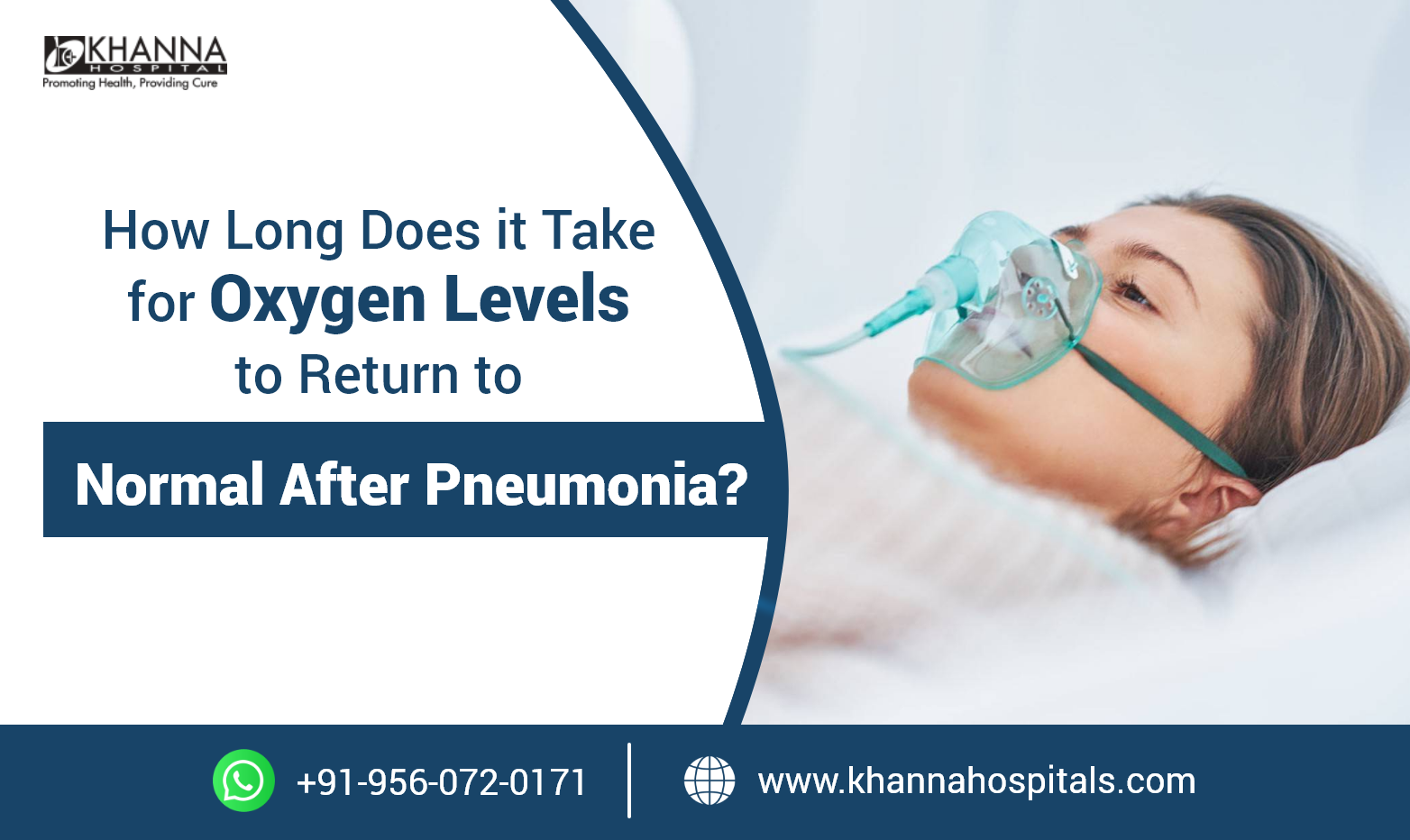
Pneumonia is a serious respiratory condition that can significantly impact how well your lungs function. One of the most concerning symptoms people experience during and after pneumonia is reduced oxygen levels in the blood, also known as low oxygen saturation. If you or someone you care for is recovering from pneumonia, it’s completely natural to wonder: how long does it take for oxygen levels to return to normal?
Ask Your Query
The answer isn’t the same for everyone. Recovery depends on several factors, including the severity of the infection, age, underlying health conditions, and how quickly treatment began. In this comprehensive guide, we’ll explore what affects oxygen recovery, typical timelines, warning signs, and practical steps to support healing.
Understanding Oxygen Levels and Pneumonia
Before diving into recovery timelines, it’s important to understand what happens in the lungs during pneumonia.
Pneumonia causes inflammation in the air sacs (alveoli) of the lungs. These air sacs may fill with fluid or pus, making it harder for oxygen to pass into the bloodstream. As a result, oxygen saturation levels can drop below normal.
- Normal oxygen levels (SpO₂): 95%–100%
- Mildly low levels: 90%–94%
- Severely low levels: Below 90% (may require urgent care)
Even after the infection is treated, inflammation and lung damage can persist, which is why oxygen levels don’t always bounce back immediately.
Typical Recovery Timeline for Oxygen Levels
- Mild Pneumonia (1–3 Weeks)
If you had a mild case and were treated early:
- Oxygen levels may begin improving within a few days of starting antibiotics or antiviral treatment.
- Most people see near-normal oxygen levels within 1 to 3 weeks.
- Some fatigue or shortness of breath may linger slightly longer.
- Moderate Pneumonia (3–6 Weeks)
For more significant infections:
- Oxygen levels can remain lower than normal for several weeks.
- Improvement is gradual, often noticeable over 3 to 6 weeks.
- You may need breathing exercises or temporary oxygen support.
- Severe Pneumonia (6–12 Weeks or More)
If hospitalization was required:
- Oxygen recovery can take 6 to 12 weeks or longer.
- Some patients need supplemental oxygen at home for weeks.
- Lung healing continues even after symptoms improve.
- Complicated or Chronic Cases (3 Months+)
In cases involving complications:
- Recovery may extend beyond 3 months.
- Conditions like lung scarring or chronic inflammation can delay normalization.
- Some individuals may not return to pre-illness lung function.
Factors That Affect Oxygen Recovery
Age
Older adults tend to recover more slowly due to reduced lung elasticity and immune response.
Pre-existing Conditions
Conditions such as asthma, COPD, heart disease, or diabetes can delay recovery.
Smoking History
Smoking damages lung tissue, making it harder for oxygen levels to return to normal.
Severity of Infection
The more severe the pneumonia, the longer it takes for inflammation to resolve.
Treatment Timing
Early treatment often leads to faster recovery and fewer complications.
Physical Fitness
Individuals with better baseline fitness often recover more quickly.
Signs Your Oxygen Levels Are Improving
As your lungs heal, you may notice:
- Reduced shortness of breath
- Increased energy levels
- Ability to walk or climb stairs without fatigue
- Oxygen saturation readings gradually rising above 94%
- Less need for supplemental oxygen
Warning Signs to Watch For
While recovery can take time, certain symptoms should not be ignored:
- Persistent oxygen levels below 90%
- Worsening breathlessness
- Chest pain
- Blue lips or fingertips
- Confusion or dizziness
If you notice any of these, seek medical attention promptly.
How to Improve Oxygen Levels During Recovery
- Practice Deep Breathing Exercises
Deep breathing helps reopen air sacs and improves oxygen exchange.
- Try inhaling slowly through your nose
- Hold for a few seconds
- Exhale slowly through your mouth
Repeat several times a day.
- Stay Physically Active (Gradually)
Light movement improves lung function and circulation.
- Start with short walks
- Increase activity as tolerated
- Avoid overexertion
- Use a Pulse Oximeter
Monitoring oxygen levels at home can help track recovery.
- Check levels at rest and after activity
- Keep a daily log
- Stay Hydrated
Fluids help thin mucus, making it easier to clear from the lungs.
- Follow Medical Advice
Complete all prescribed medications and attend follow-up appointments.
- Consider Pulmonary Rehabilitation
In more severe cases, structured rehab programs can significantly improve recovery.
When Will You Feel Completely Normal Again?
Even after oxygen levels return to normal, full recovery can take longer. Many people report:
- Fatigue lasting several weeks
- Reduced stamina
- Occasional breathlessness
Complete recovery can take anywhere from a few weeks to several months, depending on the individual.
Long-Term Effects on Oxygen Levels
In most cases, oxygen levels eventually return to normal. However, some people may experience:
- Reduced lung capacity
- Mild chronic breathlessness
- Increased susceptibility to future infections
These are more common in severe or untreated cases.
Final Thoughts
Recovering from pneumonia is a gradual process, especially when it comes to oxygen levels. While mild cases may resolve within a couple of weeks, more severe infections can take months for full recovery. The key is patience, proper care, and monitoring your symptoms.
If your oxygen levels aren’t improving as expected, or if you experience worsening symptoms, don’t hesitate to seek medical advice. Early intervention can prevent complications and support a smoother recovery.
FAQs:
Q1. What oxygen level is considered normal after pneumonia?
A1. A normal oxygen saturation level is typically between 95% and 100%. However, some people may temporarily stay around 92%–94% during recovery.
Q2. How long should I use oxygen therapy after pneumonia?
A2. It depends on severity. Some people need it for a few days, while others may require it for several weeks.
Q3. Can oxygen levels drop again after improving?
A3. Yes, especially if there is incomplete recovery, reinfection, or underlying lung conditions.
Q4. Is it normal to feel breathless even after oxygen levels improve?
A4. Yes, lung healing continues even after oxygen levels normalize, so mild breathlessness can persist.
Q5. How often should I check my oxygen levels?
A5. If recovering at home, checking 2–3 times a day or as advised by your doctor is usually sufficient.
Q6. Can exercise help improve oxygen levels?
A6. Yes, gentle exercise improves lung capacity and circulation, aiding recovery.
Q7. When should I go to the hospital for low oxygen levels?
A7. If your oxygen level drops below 90% or you experience severe symptoms, seek immediate care.
Q8. Do all pneumonia patients experience low oxygen levels?
A8. Not always. Mild cases may not significantly affect oxygen saturation.
Q9. Can pneumonia cause permanent low oxygen levels?
A9. In rare cases, especially with severe lung damage, long-term issues may occur.
Q10. How can I speed up recovery after pneumonia?
A10. Follow treatment plans, stay active, eat well, stay hydrated, and practice breathing exercises.