
Appendicitis is a common medical emergency that occurs when the appendix becomes inflamed. While it can affect anyone, recognizing the symptoms of appendicitis in women can sometimes be more challenging due to overlaps with gynecological conditions. Understanding the early warning signs, how symptoms may differ, and when to seek medical help can make a critical difference.
Ask Your Query
In this detailed guide, we’ll break down everything you need to know about appendicitis symptoms in women, including causes, diagnosis, and frequently asked questions.
What Is Appendicitis?
Appendicitis refers to inflammation of the appendix, a small, finger-shaped pouch attached to the large intestine. When blocked by stool, infection, or other causes, the appendix can swell and become infected. If untreated, it may rupture, leading to serious complications.
Why Appendicitis Symptoms in Women Can Be Confusing
In women, appendicitis symptoms can mimic other conditions such as:
- Ovarian cysts
- Pelvic inflammatory disease (PID)
- Urinary tract infections (UTIs)
- Menstrual cramps
Because of this overlap, appendicitis is sometimes misdiagnosed or diagnosed later in women than in men.
Common Symptoms of Appendicitis in Women
1. Abdominal Pain (Most Important Symptom)
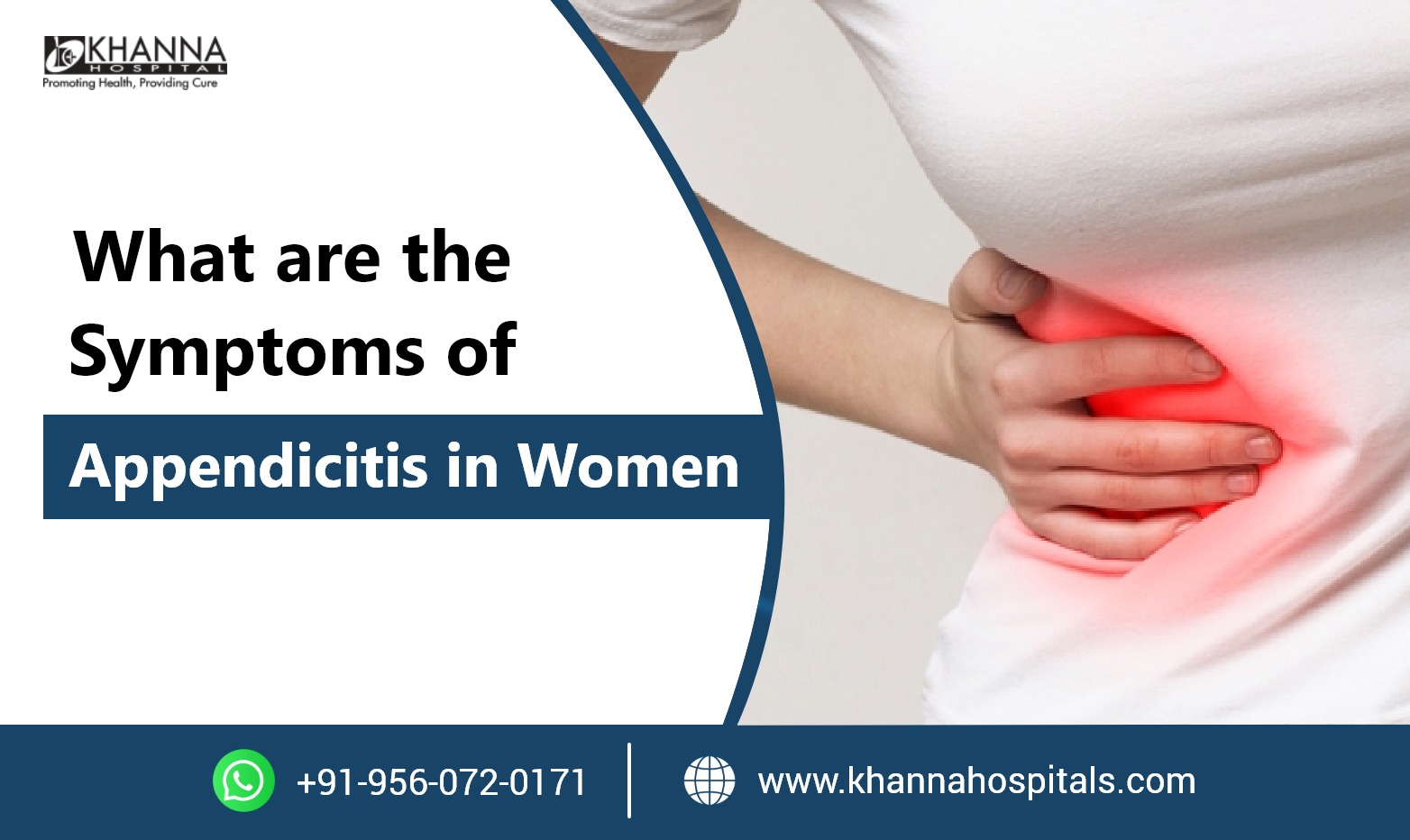
The most noticeable symptom is abdominal pain that:
- Starts near the belly button
- Gradually shifts to the lower right side
- Becomes sharper and more intense over time
This pain typically worsens with movement, coughing, or sneezing.
2. Loss of Appetite
A sudden lack of interest in food is often one of the earliest signs. Women may feel full quickly or completely uninterested in eating.
3. Nausea and Vomiting
Nausea often follows the onset of abdominal pain. Vomiting may occur but is usually not severe in the early stages.
4. Fever
A low-grade fever (around 99–100°F or 37–38°C) is common. As the infection progresses, the fever may increase.
5. Bloating and Gas
Women may experience abdominal bloating or difficulty passing gas, which can sometimes be mistaken for digestive issues.
6. Changes in Bowel Habits
Appendicitis can cause:
- Constipation
- Diarrhea
- Difficulty passing stool
These symptoms vary from person to person.
7. Painful Urination
In some cases, inflammation near the bladder may lead to discomfort while urinating, which can be confused with a urinary tract infection.
Unique or Less Common Symptoms in Women
Women may experience additional symptoms that complicate diagnosis:
1. Pelvic Pain
Pain may be felt deeper in the pelvis rather than clearly on the right side, especially if the appendix is located lower in the abdomen.
2. Pain During Menstruation
Appendicitis pain may intensify during a menstrual cycle, making it harder to distinguish from period cramps.
3. Vaginal Symptoms
Though rare, some women report unusual vaginal discharge or discomfort, which can lead to confusion with gynecological infections.
Symptoms of a Ruptured Appendix
If appendicitis is not treated, the appendix can burst (rupture), which is a medical emergency. Warning signs include:
- Sudden relief from initial pain (followed by worsening pain)
- High fever
- Severe abdominal swelling
- Rapid heartbeat
- Confusion or weakness
Immediate medical attention is critical in such cases.
Causes of Appendicitis
Appendicitis usually occurs due to a blockage in the appendix, which may be caused by:
- Hardened stool (fecalith)
- Infection
- Swollen lymph tissue
- Parasites or tumors (rare)
The blockage leads to bacterial growth, causing inflammation and infection.
How Appendicitis Is Diagnosed in Women
Diagnosing appendicitis in women can involve multiple steps:
1. Physical Examination
Doctors check for tenderness, especially in the lower right abdomen.
2. Medical History
Symptoms, menstrual cycle, and medical background are reviewed.
3. Imaging Tests
- Ultrasound
- CT scan
- MRI (in pregnant women)
4. Blood and Urine Tests
These help rule out infections or other conditions.
Treatment Options
1. Surgery (Appendectomy)
The most common treatment is surgical removal of the appendix. It can be done through:
- Laparoscopic surgery (minimally invasive)
- Open surgery (in severe cases)
2. Antibiotics
In some mild cases, antibiotics may be used, but surgery is typically recommended to prevent recurrence.
When Should Women See a Doctor?
Seek immediate medical attention if you experience:
- Persistent abdominal pain (especially lower right side)
- Pain that worsens over time
- Fever with abdominal discomfort
- Nausea and vomiting with pain
Delaying treatment can lead to complications, including rupture.
Complications of Untreated Appendicitis
If not treated in time, appendicitis can lead to:
- Ruptured appendix
- Peritonitis (infection of abdominal lining)
- Abscess formation
- Sepsis (life-threatening infection)
Tips to Avoid Misdiagnosis
Because symptoms overlap with other conditions, women should:
- Track the pattern and location of pain
- Note timing relative to menstrual cycle
- Seek medical evaluation early
- Avoid self-diagnosis
FAQs:
1. How do I know if it’s appendicitis or period pain?
Appendicitis pain usually starts near the belly button and shifts to the lower right abdomen, becoming more severe over time. Period pain is typically cramp-like and occurs in cycles.
2. Can appendicitis feel like a UTI?
Yes, appendicitis can sometimes cause pain during urination, which may resemble a urinary tract infection. However, abdominal pain is usually more prominent in appendicitis.
3. Is appendicitis pain constant?
Yes, the pain typically worsens steadily and does not go away on its own. It becomes more intense over time.
4. Can appendicitis go away on its own?
In rare cases, symptoms may temporarily improve, but the condition usually requires medical treatment. Ignoring it can be dangerous.
5. Where is appendicitis pain located in women?
Most commonly in the lower right abdomen, but it can also appear in the pelvic area depending on the appendix’s position.
6. How quickly does appendicitis progress?
Symptoms can worsen within 24 to 48 hours. Early diagnosis is crucial to prevent rupture.
7. Can pregnancy affect appendicitis symptoms?
Yes, during pregnancy, the appendix may shift position, causing pain in different areas, making diagnosis more challenging.
Final Thoughts
Recognizing the symptoms of appendicitis in women is essential for early diagnosis and treatment. Because the symptoms can overlap with other conditions, paying attention to pain patterns and seeking timely medical advice is critical.
If you or someone you know experiences persistent abdominal pain along with other symptoms mentioned above, don’t ignore it—consult a healthcare professional immediately. Early action can prevent serious complications and ensure a quicker recovery.