
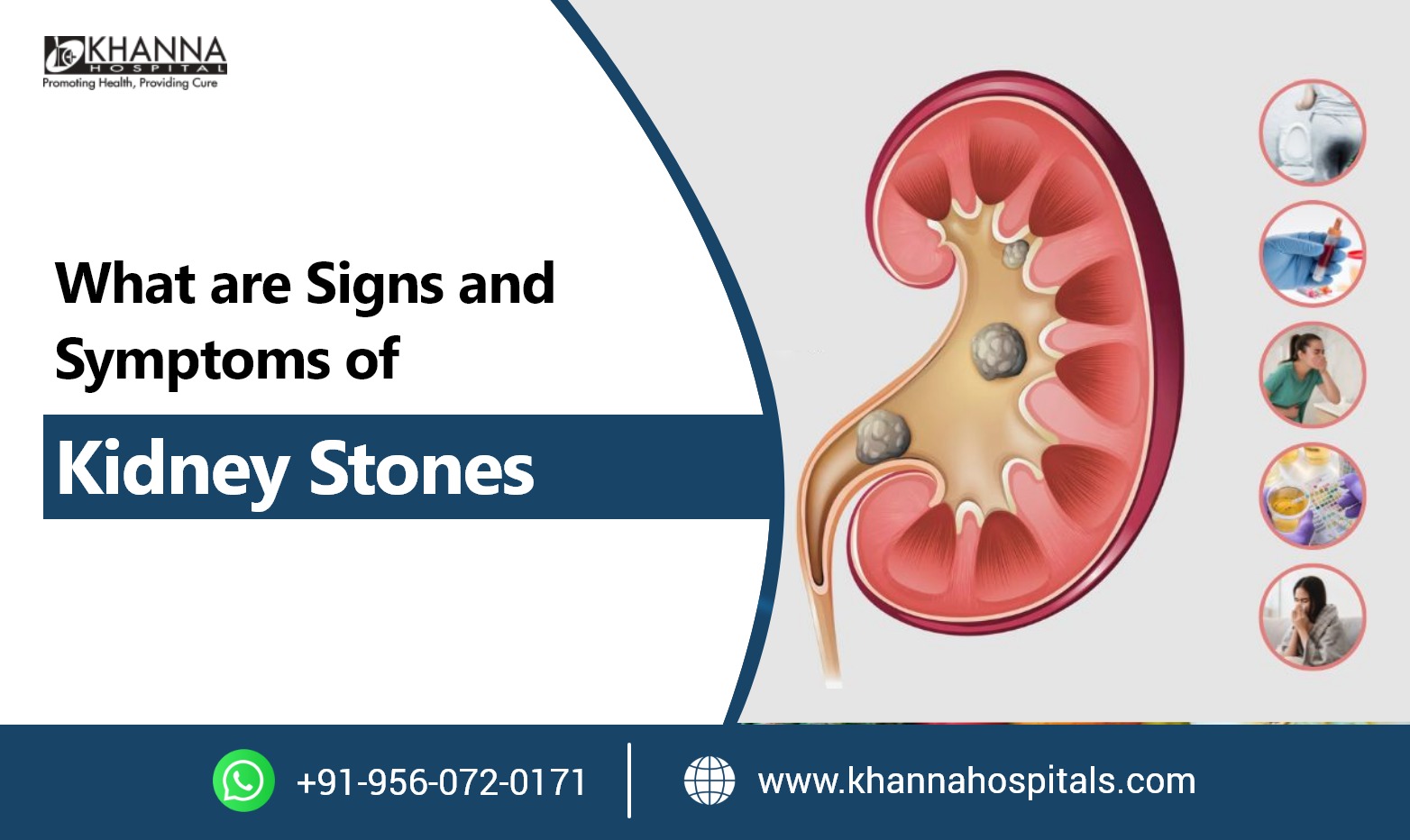
Kidney stones are one of the most painful medical conditions affecting the urinary system. These hard mineral deposits develop inside the kidneys and can range in size from tiny crystals to large stones capable of blocking the urinary tract. While some kidney stones remain unnoticed and pass naturally through urine, others can trigger severe pain, urinary problems, nausea, and even dangerous infections.
Ask Your Query
Understanding the signs and symptoms of kidney stones is extremely important because early detection and timely treatment can prevent serious complications such as kidney damage or recurring infections. In this detailed guide, we will explore everything you need to know about kidney stone symptoms, causes, diagnosis, treatment options, prevention methods, and frequently asked questions.
What Are Kidney Stones?
Kidney stones are solid masses formed from minerals and salts that crystallize in the kidneys. Normally, urine contains various waste substances dissolved in fluid. However, when urine becomes concentrated due to dehydration or other factors, minerals stick together and gradually form stones.
Kidney stones can develop in one or both kidneys and may stay there without causing symptoms. Problems usually begin when the stone moves into the ureters — the thin tubes connecting the kidneys to the bladder. As the stone travels through the urinary tract, it can block urine flow and cause intense pain.
Common Signs and Symptoms of Kidney Stones
The symptoms of kidney stones vary depending on the size, location, and movement of the stone. Some stones are small and silent, while others cause sudden and severe symptoms.
Below are the most common signs and symptoms associated with kidney stones.
1. Severe Flank Pain
The hallmark symptom of kidney stones is intense flank pain, often referred to as renal colic. This pain typically occurs in:
- The side of the body
- The lower back
- Below the ribs
- The lower abdomen
- The groin area
The pain can come suddenly and may fluctuate in intensity. Many patients describe it as sharp, stabbing, or cramping.
Why Does Kidney Stone Pain Occur?
When a stone blocks the ureter, urine cannot flow normally from the kidney to the bladder. This blockage creates pressure inside the kidney, leading to severe pain.
The pain often comes in waves because the muscles in the ureter contract while trying to push the stone downward.
Characteristics of Kidney Stone Pain
- Sudden onset
- Comes in waves
- Extremely intense
- Changes location as the stone moves
- Difficult to relieve with normal rest
The pain may last for minutes or hours and can become unbearable without medical treatment.
2. Painful Urination
As the kidney stone moves closer to the bladder, it can cause pain during urination.
Common symptoms include:
- Burning sensation while urinating
- Sharp pain during urination
- Discomfort in the lower abdomen
- Pain in the urinary tract
Many people confuse this symptom with a urinary tract infection (UTI), especially when accompanied by frequent urination.
3. Blood in the Urine (Hematuria)
Blood in the urine is one of the most common symptoms of kidney stones.
The urine may appear:
- Pink
- Red
- Brown
- Rust-colored
Sometimes the bleeding is microscopic and only visible through laboratory testing.
Why Does Bleeding Happen?
As stones move through the urinary tract, they scratch and irritate the sensitive lining of the kidneys, ureters, or bladder. This irritation leads to bleeding.
Blood in the urine should never be ignored because it can also indicate infections or other urinary conditions.
4. Frequent Urge to Urinate
Kidney stones can create constant pressure in the urinary tract, causing an increased need to urinate.
You may experience:
- Frequent urination
- Sudden urge to urinate
- Passing only small amounts of urine
- Feeling unable to empty the bladder completely
This symptom usually occurs when the stone is located near the bladder or lower urinary tract.
5. Cloudy or Foul-Smelling Urine
Healthy urine is generally clear and mild-smelling. Kidney stones may cause urine to become:
- Cloudy
- Dark
- Strong-smelling
- Foul-smelling
This can happen due to:
- Infection
- Pus in urine
- Bacteria buildup
- Urinary blockage
If cloudy urine occurs alongside fever or severe pain, medical evaluation is essential.
6. Nausea and Vomiting
Many people with kidney stones experience digestive symptoms such as:
- Nausea
- Vomiting
- Upset stomach
- Loss of appetite
Why Do Kidney Stones Cause Nausea?
The kidneys and digestive system share nerve pathways. Severe kidney pain can stimulate these nerves, triggering nausea and vomiting.
In some cases, vomiting may become severe enough to cause dehydration, worsening the condition further.
7. Fever and Chills
Fever and chills are not normal symptoms of simple kidney stones and may indicate a serious infection.
Signs include:
- High temperature
- Shivering
- Sweating
- Fatigue
- Severe discomfort
Why Is This Dangerous?
If a stone blocks urine flow and bacteria become trapped, a kidney infection can develop rapidly. This condition requires urgent medical treatment because untreated infections may spread into the bloodstream.
Seek immediate medical care if you experience:
- Fever with kidney pain
- Chills
- Vomiting
- Difficulty urinating
8. Difficulty Passing Urine
Larger kidney stones may partially or completely block the urinary tract.
This can result in:
- Weak urine stream
- Difficulty urinating
- Reduced urine output
- Complete inability to urinate
Urinary blockage is a medical emergency because it can damage the kidneys.
9. Pain That Changes Location
Kidney stone pain often shifts as the stone travels through the urinary tract.
For example:
- Pain in the back may move to the abdomen
- Abdominal pain may spread to the groin
- Men may feel pain in the testicles
This moving pain pattern is a classic sign of kidney stones.
Causes of Kidney Stones
Kidney stones develop when certain substances in urine become too concentrated.
Common causes include:
- Dehydration: Not drinking enough water is one of the leading causes.
- High Sodium Intake: Excess salt increases calcium levels in urine.
- Diet High in Animal Protein: Too much meat can increase uric acid levels.
- Obesity: Being overweight raises the risk of stone formation.
- Family History: Genetics can play a role.
- Certain Medical Conditions: Conditions such as gout, diabetes, and digestive diseases increase risk.
- Some Medications: Certain supplements and medications contribute to stone formation.
Types of Kidney Stones
Understanding the type of stone helps determine treatment and prevention.
- Calcium Stones: Most common type, usually calcium oxalate.
- Uric Acid Stones: Linked to dehydration and high-protein diets.
- Struvite Stones: Associated with urinary tract infections.
- Cystine Stones: Rare inherited condition.
How Are Kidney Stones Diagnosed?
Doctors use several tests to diagnose kidney stones.
- Urine Test
Checks for blood, crystals, and infection.
- Blood Test
Measures kidney function and mineral levels.
- Imaging Tests
These include:
- CT scan
- Ultrasound
- X-rays
Imaging helps identify the size and location of the stone.
Treatment Options for Kidney Stones
Treatment depends on the stone size and severity of symptoms.
Small Kidney Stones
Small stones often pass naturally with:
- Drinking plenty of water
- Pain medications
- Alpha blockers to relax the ureter
Patients are usually advised to stay hydrated and monitor symptoms.
Large Kidney Stones
Larger stones may require medical procedures such as:
- Shock Wave Lithotripsy (SWL)
Uses sound waves to break stones into smaller pieces.
- Ureteroscopy
A thin scope removes or breaks the stone.
- Percutaneous Nephrolithotomy
Surgery used for very large stones.
Complications of Kidney Stones
Untreated kidney stones may lead to:
- Kidney infections
- Permanent kidney damage
- Urinary blockage
- Recurrent stones
- Chronic kidney disease
Prompt treatment greatly reduces these risks.
How to Prevent Kidney Stones
Prevention is often possible through healthy lifestyle habits.
- Drink Plenty of Water
- Hydration is the most effective prevention strategy.
- Aim for enough water to produce clear or pale-yellow urine.
- Reduce Salt Intake
Excess sodium increases calcium in urine.
Avoid:
- Processed foods
- Fast food
- Salty snacks
- Eat a Balanced Diet
Include:
- Fruits
- Vegetables
- Whole grains
- Moderate calcium intake
- Limit Oxalate-Rich Foods
Foods high in oxalates include:
- Spinach
- Nuts
- Chocolate
- Tea
- Avoid Excess Animal Protein
Too much red meat can increase stone risk.
- Maintain Healthy Body Weight
Regular exercise and healthy eating reduce the chances of recurrence.
When Should You See a Doctor?
Seek immediate medical attention if you have:
- Severe pain
- Fever and chills
- Blood in urine
- Persistent vomiting
- Difficulty urinating
- Symptoms that worsen over time
Never ignore severe urinary symptoms.
Living With Kidney Stones
Many people who develop one kidney stone may develop another in the future. However, lifestyle changes and regular medical follow-up can significantly reduce recurrence risk.
Simple habits such as staying hydrated and following dietary recommendations can help maintain long-term kidney health.
Conclusion
Kidney stones are painful mineral deposits that can cause a variety of symptoms, especially when they move into the ureters or block the urinary tract. Common signs include severe flank pain, painful urination, blood in the urine, nausea, vomiting, frequent urination, and cloudy urine. Fever and chills may indicate a dangerous infection requiring immediate medical attention.
Recognizing the symptoms early can help prevent complications and ensure timely treatment. Drinking enough water, maintaining a healthy diet, and seeking medical care when symptoms appear are essential steps in protecting kidney health.
FAQs:
Q1. What are the earliest signs of kidney stones?
A1. Early symptoms often include sharp side or back pain and changes in urination
Q2. Can kidney stones disappear naturally?
A2. Small stones often pass naturally through urine without surgery.
Q3. Are kidney stones extremely painful?
A3. Yes, kidney stones are considered one of the most painful medical conditions.
Q4. Can kidney stones cause blood in urine?
A4. Yes, stones frequently irritate the urinary tract and cause bleeding.
Q5. Does dehydration increase kidney stone risk?
A5. Dehydration concentrates minerals in urine, promoting stone formation.
Q6. How long does kidney stone pain last?
A6. Pain may last from a few hours to several days depending on stone movement.
Q7. What foods trigger kidney stones?
A7. Foods high in sodium, oxalates, and animal protein may increase risk.
Q8. Can kidney stones lead to infection?
A8. Yes, blocked urine flow can trap bacteria and cause kidney infections.
Q9. Is surgery always needed for kidney stones?
A9. No, Many small stones pass naturally with hydration and medication.
Q10. How can I lower my risk of kidney stones?
A10. Drink plenty of water, eat a balanced diet, reduce salt intake, and maintain a healthy lifestyle.