
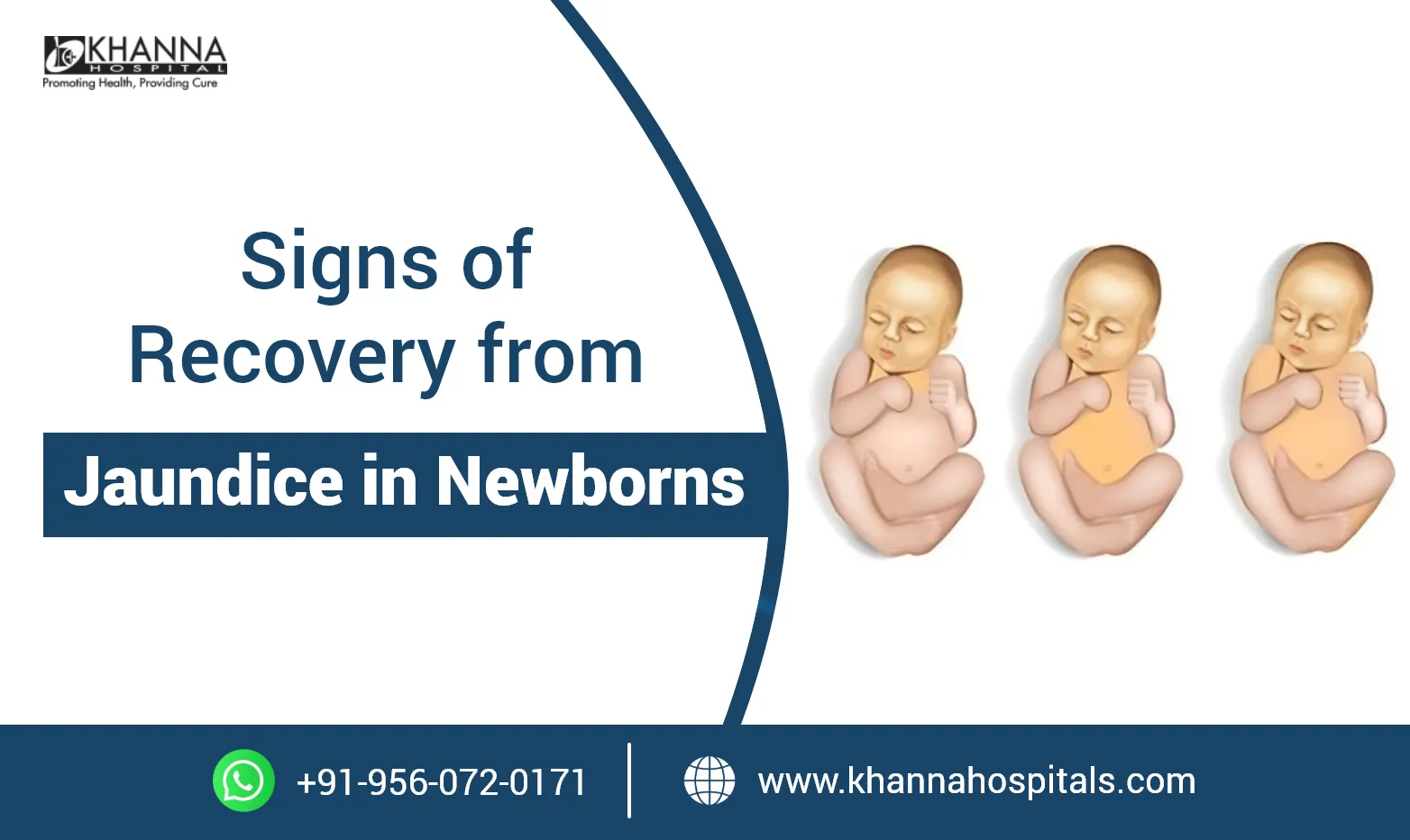
Newborn jaundice is a common and usually harmless condition that causes a yellowish tint in a baby’s skin and eyes. It happens when there is too much bilirubin — a yellow pigment produced from the normal breakdown of red blood cells — in the baby’s blood.
Ask Your Query
While it can be concerning for new parents, the good news is that most babies recover naturally with proper feeding, sunlight exposure, and medical monitoring. Recognizing the signs of recovery from jaundice can help you ensure your baby is getting healthier each day.
What Happens During Recovery from Jaundice?
When your baby’s liver starts functioning better, bilirubin begins to break down and get removed from the body through urine and stool.
As a result, you will notice visible and behavioral improvements over time.
Table: Key Signs of Jaundice Recovery in Newborns
| Sign of Recovery | What It Means | Why It’s Important |
| 1. Fading Yellow Tint | Yellow color starts to disappear from face and eyes downward. | Indicates bilirubin levels are decreasing. |
| 2. Normal Skin Tone | Skin appears healthier and less yellow day by day. | Shows liver function is improving. |
| 3. Improved Bilirubin Test Results | Blood bilirubin levels show a consistent decline. | Confirms effective treatment or natural recovery. |
| 4. Better Feeding Habits | Baby feeds more frequently and effectively. | Feeding helps flush out bilirubin through stool. |
| 5. Steady Weight Gain | Weight increases steadily after birth. | Sign of improved metabolism and nutrient absorption. |
| 6. Normal Stool Color | Stools become yellow, green, or brown instead of pale. | Indicates proper bile production and liver function. |
| 7. Regular Urination | 6 or more wet diapers per day. | Suggests good hydration and bilirubin elimination. |
| 8. Increased Alertness | The baby is more awake, active, and responsive. | Sign of overall energy improvement. |
| 9. Calmer Behavior | Reduced irritability or excessive sleepiness. | Reflects neurological improvement. |
| 10. Doctor’s Positive Assessment | The pediatrician confirms bilirubin levels are normalizing. | Medical confirmation of healthy recovery. |
Detailed Signs Explained
1. Fading Yellow Tint
The most obvious recovery sign is the gradual fading of yellow from your baby’s skin and eyes. The color usually disappears from the legs and body before the face. This means bilirubin is breaking down properly.
2. Improved Bilirubin Levels
Routine bilirubin tests done by your pediatrician will show steady improvement. Decreasing numbers mean the liver is processing waste effectively.
3. Healthy Feeding and Weight Gain
When your baby feeds regularly — 8–12 times a day — it helps move bilirubin out through bowel movements. Steady weight gain also means the digestive system is working well.
4. Normal Stool and Urine
Healthy stool should be mustard yellow (breastfed babies) or light brown (formula-fed). Clear or light-yellow urine indicates good hydration and bilirubin removal.
5. Better Sleep and Calmness
Excess bilirubin can cause fatigue and irritability. As levels drop, babies sleep more peacefully and wake up more alert and active.
6. Stable Temperature and Activity
A baby who maintains a steady body temperature and moves actively is likely recovering well. These are signs that metabolic functions are normalizing.
7. Doctor’s Confirmation
Your pediatrician will confirm recovery through tests and physical observation. If bilirubin is within safe levels and feeding is good, it means your baby is healthy.
Tips to Support Jaundice Recovery
- Feed frequently: Ensure your baby gets enough breast milk or formula to flush bilirubin out.
- Expose to natural sunlight: Morning sunlight (before 9 a.m.) for 10–15 minutes can help break down bilirubin.
- Monitor stool and urine: Changes in color and frequency are useful recovery indicators.
- Attend follow-ups: Regular check-ups ensure bilirubin levels stay under control.
- Stay calm: Mild jaundice is common and rarely harmful if monitored correctly.
FAQs:
1. How long does newborn jaundice usually last?
Most newborns recover within 1–2 weeks. Premature babies or those with high bilirubin may take slightly longer under medical supervision.
2. What causes jaundice in newborns?
It occurs when the baby’s liver is not mature enough to remove bilirubin efficiently from the bloodstream.
3. Is sunlight really helpful for treating jaundice?
Yes, mild sunlight exposure helps break down bilirubin in the skin. However, always do it under safe conditions — short duration and mild sunlight.
4. When should I worry about jaundice?
If the yellow color deepens after a week, your baby is refusing feeds, or has pale stools, contact a doctor immediately.
5. Can jaundice affect my baby’s brain?
Only severe, untreated jaundice can cause a condition called kernicterus, which is rare with early diagnosis and treatment.
6. How can I tell if jaundice is getting better?
Reduced yellow tint, better feeding, normal stools, and an alert baby are clear signs of improvement.
7. Does formula feeding help faster recovery?
Both breastfeeding and formula feeding help recovery as long as the baby is feeding well and staying hydrated.
8. How often should bilirubin levels be checked?
Doctors may recommend checking bilirubin daily or every few days until it stabilizes within normal limits.
9. What foods should a breastfeeding mother eat?
Eat a balanced diet rich in fluids, fruits, vegetables, and protein to ensure your baby gets proper nutrition through breast milk.
10. When can I stop worrying about jaundice?
Once your doctor confirms normal bilirubin levels and your baby’s color, feeding, and activity are normal — jaundice has resolved.
Conclusion
Most cases of newborn jaundice are temporary and resolve safely with proper feeding and monitoring. Watching for signs of recovery — like fading yellow color, better feeding, and normal stool color — helps parents track progress confidently.