
Why early gallbladder symptoms deserve attention
Picture a familiar scene: a late dinner of biryani or fried snacks, you go to bed feeling heavy, and a few hours later you wake with a deep ache under the right side of your ribs. You blame acidity, take an antacid or pain tablet, and push through the next day. If this pattern repeats every few weeks, it is easy to normalise it as just another side effect of a busy schedule.
Ask Your Query
The strategic mistake many people make is to treat these episodes as random instead of as a signal. Ignored gallbladder symptoms can escalate from short, self-limited attacks to severe infection, blocked bile ducts, or pancreatitis that land you in the emergency room and sometimes in urgent surgery. The same problem, caught earlier, can often be handled through planned tests and a scheduled operation if needed, with far less disruption to your life.
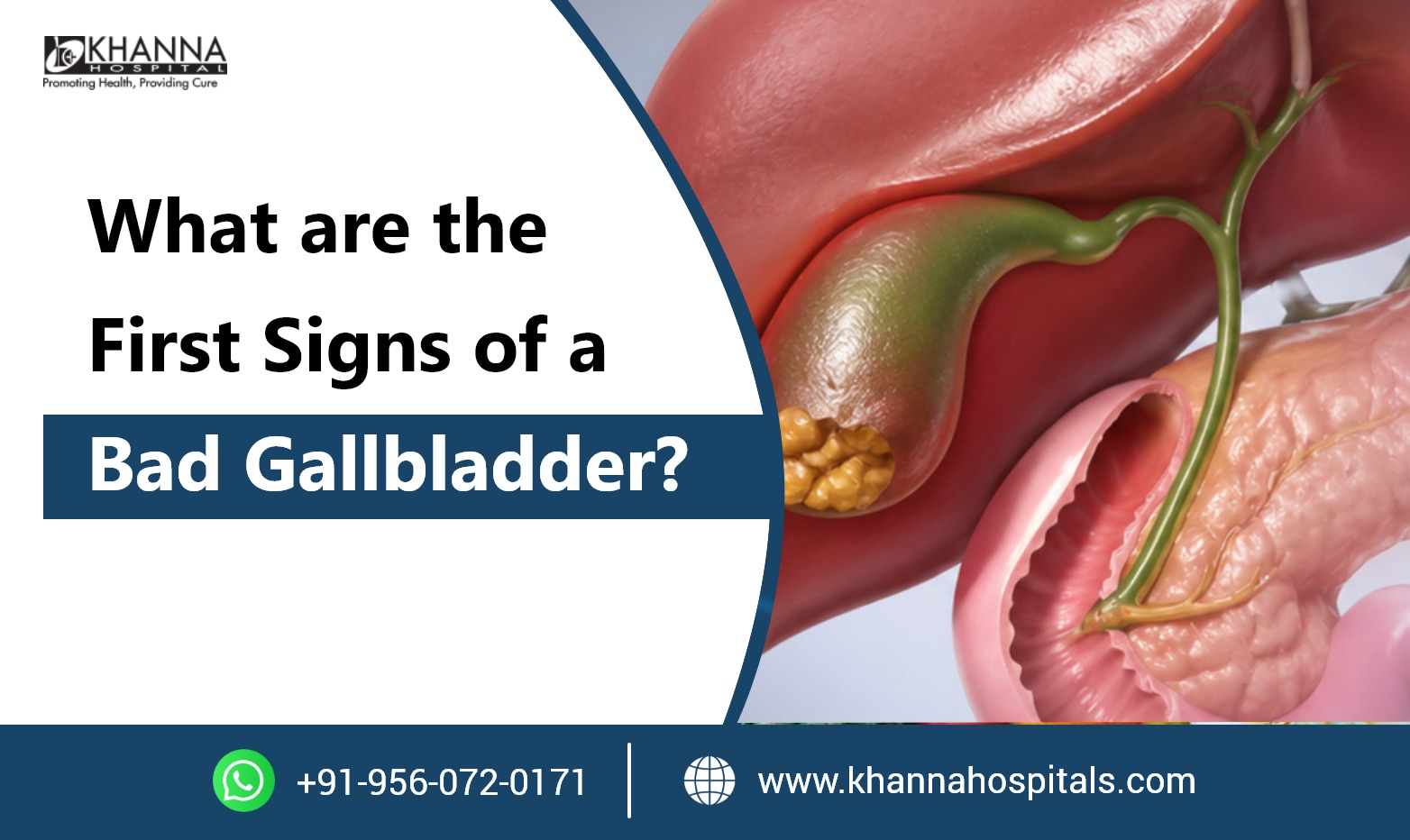
The gallbladder is a small pouch under your liver that stores bile, a fluid that helps digest fat. When you eat, especially oily or rich food, the gallbladder squeezes bile into the intestine. Gallstones form when substances in bile crystallise. A stone that temporarily plugs the outlet of the gallbladder causes intense, steady pain called biliary colic. If that blockage persists, the gallbladder wall can become inflamed and infected, leading to acute cholecystitis, which is more serious. Understanding this mechanism helps you see why the first signs often show up as pain and digestive issues after meals, rather than vague, all-day discomfort.
Early warning signs of gallbladder trouble
For day-to-day decisions, what matters most is pattern recognition. Early gallbladder problems usually show up in three clusters you can track at home: how and where the pain behaves, how your digestion reacts to food, and whether your whole body starts sending distress signals. These clusters overlap with other conditions, but taken together they give you a more grounded sense of whether to wait, book an appointment, or escalate faster.
The classic gallbladder pain is in the upper right part of your abdomen, under the ribs, or in the centre just below the breastbone. It often starts 30 minutes to two hours after a heavy, oily, or large meal and can wake you at night. The pain typically builds over several minutes and then stays steady rather than coming in quick, stabbing waves. Many people describe a tight, gripping, or pressure-like discomfort rather than burning. It may move to your right shoulder blade or back. It is usually not clearly relieved by passing gas, burping, changing position, or taking an antacid, and the area may be tender if you press under the right rib cage and take a deep breath.
Digestive changes are the second early cluster. Recurrent nausea, a feeling of heaviness or bloating after small or moderate meals, and vomiting after particularly fatty food can all point towards gallbladder involvement. You may notice that fried food, cream-based gravies, or very rich sweets reliably trigger discomfort, while simpler meals do not. Because bile helps digest fat, a blocked gallbladder can lead to pale, clay-coloured stools and darker-than-usual urine. Some people develop loose stools after fatty meals because undigested fat moves quickly through the gut.
Whole-body clues make up the third cluster and usually mean the problem is moving beyond simple biliary colic. A low-grade fever, chills, loss of appetite, or feeling unusually tired alongside upper right abdominal pain suggests inflammation or infection. Yellowing of the eyes or skin (jaundice) is especially important because it can indicate a stone blocking the main bile duct, which is more serious. These signs carry more weight if you also fit a higher-risk profile: being female, over 40, overweight, pregnant, living with diabetes, or having a strong family history of gallstones. In that situation, even relatively mild but recurring episodes are worth proactive medical review rather than watch-and-wait.
Learning goal: Help the reader quickly map their own symptoms into three clusters and see at a glance when certain combinations usually justify watching, booking a routine visit, or seeking urgent medical care.
Image suggestion: Infographic showing three clusters of early gallbladder symptoms (pain pattern, digestion changes, whole-body clues) with simple guidance on when to seek routine, prompt, or urgent care.
Three clusters of early gallbladder symptoms and how they guide your next step in seeking care.
Search query: gallbladder symptoms early warning signs infographic diagram
Red-flag symptoms that may need urgent care
Not every upper abdominal twinge is an emergency, but certain patterns are risky to ignore. The key pivot point is when pain and associated symptoms suggest that infection, severe inflammation, or blockage has set in. At that stage, delaying care can mean the difference between a controlled, planned intervention and a rushed operation when you are already very unwell.
Seek same-day or emergency medical attention if you have very strong pain in the upper right or upper middle abdomen that lasts for more than a few hours, especially if it is worse than previous episodes or makes it hard to sit, stand, or find a comfortable position. Pain coupled with a fever, chills, or repeated vomiting is another red flag, as is any yellowing of the eyes or skin, very dark urine, or pale stools. These combinations can signal acute cholecystitis, a blocked bile duct, or pancreatitis, all of which need prompt assessment and often hospital treatment.
You should also treat pain as urgent if it spreads to your chest, jaw, or left arm, comes with shortness of breath, or feels like heavy pressure on the chest, because heart problems can mimic indigestion or gallbladder attacks. Older adults, people who are pregnant, and those with diabetes may have less typical pain and may deteriorate faster once infection sets in, so the threshold to seek help should be even lower. When you are on the fence about “waiting till morning” versus going now, severe, new, or rapidly worsening symptoms justify going now.
What to do if you suspect a gallbladder problem
Once you recognise a possible pattern, the most useful step is to turn vague memories into clear data and a practical plan. That lowers the risk of both overreacting to one-off twinges and underreacting to a problem that keeps coming back.
A simple sequence can help you move from worry to informed action
1. Track what is actually happening
Over a couple of weeks, note down when episodes happen, what you ate in the six hours before, where exactly the pain started, how long it lasted, how intense it felt, and whether you had nausea, vomiting, fever, or changes in stool or urine colour. This simple log helps your doctor distinguish gallbladder-related pain from acidity, muscle strain, or other causes. While you are waiting for a visit, favour lighter, less oily meals and avoid testing your limits with very heavy or fried foods, but avoid starting restrictive diets or supplements without medical advice.
2. Book a medical review
Schedule a visit with a trusted doctor, such as a family physician, gastroenterologist, or general surgeon. During the consultation they will examine your abdomen, press under your right ribs while you take deep breaths, and review your symptom pattern and risk factors. Depending on your story and examination, they may order an ultrasound of the abdomen to look for gallstones or gallbladder inflammation, along with blood tests to check liver function, signs of infection, and sometimes pancreatic enzymes. If your pain overlaps with chest symptoms, they may also arrange heart tests such as an ECG to rule out more urgent heart causes.
3. Understand the main treatment directions
If tests confirm gallstones and your symptoms match biliary colic or early cholecystitis, your doctor will outline treatment options. For stones that are causing repeated attacks or complications, surgery to remove the gallbladder—usually done through keyhole (laparoscopic) incisions—is a common recommendation and is often safer when planned rather than performed in an emergency. For stones discovered by chance without any symptoms, many doctors simply monitor and focus on general health measures instead of operating immediately. The right approach depends on your age, other health conditions, how often you are having attacks, and what imaging and blood tests show.
4. Decide based on your risk and priorities
Go into that discussion with a clear view of your own priorities. If you have frequent pain, travel often, or manage a demanding work or family schedule, the cost of an unpredictable emergency is high, and you may lean towards earlier, planned treatment. If your symptoms are rare and your risk is lower, watchful waiting under medical supervision may be reasonable. In all cases, treat symptoms as an early-warning system, not something to suppress repeatedly with over-the-counter medicines while hoping the underlying problem goes away on its own.
FAQs:
Q.1 Can gallbladder pain come and go for months?
A: Yes. Many people with gallstones experience intermittent attacks of upper right or upper middle abdominal pain that last a few hours and then settle completely, sometimes with weeks or months in between. This pattern is typical of biliary colic, where a stone briefly blocks the gallbladder outlet and then moves away. The gap between attacks can create a false sense of safety, but the underlying risk does not disappear. Repeated episodes mean the gallbladder is under stress and raise the chances of a more serious problem like infection or pancreatitis. If you notice this stop–start pattern, it is better to have a planned medical review than to wait for a crisis.
Q.2 Does every gallstone need surgery?
A: Not necessarily. Many gallstones are found by chance on an ultrasound done for another reason, and if they have never caused symptoms, doctors often recommend observation rather than immediate surgery. The decision shifts once stones cause pain, nausea, fever, jaundice, or other complications. Symptomatic stones are more likely to keep causing trouble, so planned removal of the gallbladder is commonly advised. The right approach depends on your age, other illnesses, how severe and frequent your symptoms are, and the findings on tests. Your doctor can walk you through the trade-offs in your specific situation.
Q.3 Is gallbladder pain always on the right side?
A: Gallbladder pain is often felt in the upper right abdomen under the ribs, but it can also start in the upper middle abdomen just below the breastbone and then move towards the right side or into the back and right shoulder blade. Not all pain in that region comes from the gallbladder, and not all gallbladder problems cause textbook right-sided pain, especially in older adults or those with diabetes. Because heart, lung, stomach, liver, and muscle conditions can affect similar areas, new or unexplained upper abdominal or chest pain should be assessed by a doctor rather than self-diagnosed.
Q.4 Who is at higher risk of gallbladder disease?
A: Gallstones and gallbladder disease are more common if you are female, over 40, overweight, or have a family history of stones. Risk also increases with pregnancy, diabetes, rapid weight loss, and diets high in fat and refined carbohydrates. Some medicines and hormonal changes can play a role as well. If you fit several of these factors and start noticing upper right abdominal pain or digestive issues after meals, it is sensible to treat those symptoms as a priority, not as routine acidity, and to discuss them early with your doctor.
Q.6 Can you live normally after gallbladder removal?
A: Most people live full, active lives without a gallbladder. After removal, bile flows directly from the liver into the intestine instead of being stored and released in bursts. In the first few weeks, some individuals notice mild loose stools or urgency, especially after fatty meals, but this often settles as the body adapts. Doctors usually suggest gradually returning to a regular, balanced diet and avoiding very heavy, oily meals immediately after surgery. If you already have digestive conditions like irritable bowel syndrome, discuss this with your surgeon so you know what to expect and how to manage any changes.