
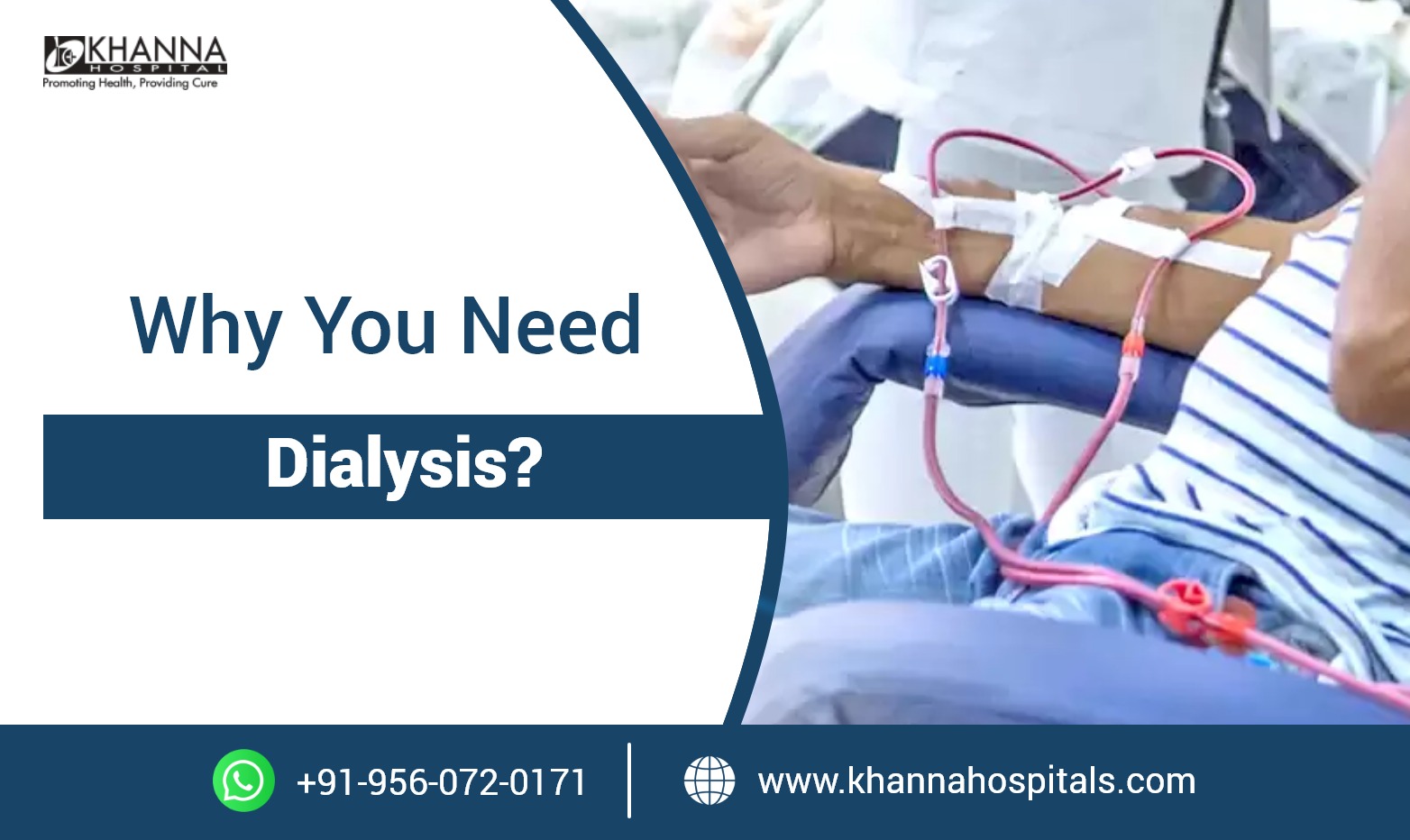
Dialysis serves as a vital lifeline when kidneys can no longer perform essential filtration tasks. This treatment removes waste products, excess fluids, and toxins from the blood, restoring electrolyte balance and preventing severe complications like uremia.
Ask Your Query
Kidney Physiology Overview
Kidneys process 170-200 liters of blood each day through nephrons, filtering out urea, creatinine, and metabolic acids while reabsorbing water, glucose, and vital nutrients. Beyond filtration, they regulate blood pressure via the renin-angiotensin system, synthesize active vitamin D (calcitriol) for calcium absorption, and produce erythropoietin to maintain hemoglobin levels.
Chronic kidney disease advances silently through five stages, defined by estimated glomerular filtration rate (eGFR). Stage 5, or end-stage renal disease (ESRD), hits when eGFR drops below 15 mL/min/1.73 m², signaling profound impairment. Without dialysis or transplant, survival spans mere weeks due to accumulating toxins.
Primary Etiologies of ESRD
Type 2 diabetes mellitus drives 44% of ESRD cases by inducing glomerular hyperfiltration and mesangial expansion. Hypertension follows at 28%, fostering ischemic damage through afferent arteriolosclerosis. Glomerulonephritides like IgA nephropathy and focal segmental glomerulosclerosis account for 10-15%.
Inherited disorders such as autosomal dominant polycystic kidney disease cause cyst proliferation and compression. Obstructive causes include nephrolithiasis or prostatic hypertrophy, while drug-induced injury from NSAIDs or aminoglycosides precipitates acute-on-chronic failure.
Diagnostic Thresholds for Initiation
Uremic syndrome manifests as fatigue, anorexia, metallic taste, and asterixis. Laboratory red flags include blood urea nitrogen (BUN) >100 mg/dL, serum creatinine >8 mg/dL in males/>6 mg/dL in females, hyperkalemia >6.0 mEq/L, metabolic acidosis (HCO3 <15 mEq/L), or platelet dysfunction.
Refractory hypervolemia with >3 kg interdialytic weight gain or pulmonary edema unresponsive to loop diuretics demands immediate intervention. In pediatrics, thresholds adjust lower based on body surface area.
Hemodialysis Mechanics
Extracorporeal blood flows at 300-500 mL/min through a dialyzer with counter-current dialysate, enabling urea clearance via diffusion (Kt/V >1.2 per session target). Vascular access hierarchies prioritize autogenous AV fistulas (maturation 6-8 weeks), grafts, and tunneled catheters as bridges.
Anticoagulation employs unfractionated heparin or citrate to prevent clotting. Ultrafiltration profiles remove 2-4 liters/session, guided by dry weight assessments.
Peritoneal Dialysis Details
The peritoneum’s 1-2 m² surface area facilitates diffusive transport. CAPD uses 2-2.5 L exchanges four times daily; APD cyclers deliver 10-20 L nightly with tidal or continuous flow modes. Glucose-based solutions (1.5-4.25% concentrations) create osmotic gradients, but icodextrin preserves ultrafiltration in high transporters.
Break-in periods last 2 weeks post-catheter placement to minimize leak risks.
Optimal Timing Strategies
KDIGO guidelines endorse “urgent-start” dialysis at eGFR 5-7 mL/min for symptomatic patients, improving 90-day survival versus late starts. Frailty indices and surprise questions (“Would I be surprised if this patient died in 6 months?”) guide shared decision-making.
CRRT modalities like CVVHDF suit critically ill patients, delivering 20-35 mL/kg/hr effluent volumes with slower solute shifts.
Therapeutic Advantages
Dialysis achieves middle molecule clearance, reducing β2-microglobulin levels and amyloid deposition. It stabilizes acid-base via bicarbonate buffers, cutting arrhythmia risks by 50%. ESA therapy boosts Hb to 10-11.5 g/dL targets, alleviating anemia symptoms.
Quality metrics show HD patients gain 2-3 extra life-years with adherence.
Adverse Events and Mitigation
Intradialytic hypotension (IDH) strikes 25% of sessions; countermeasures include cool dialysate (35-36°C), ultrafiltration profiling, and trendelenburg positioning. Catheter-related bacteremia rates hover at 0.5 episodes/1000 catheter-days; ethanol locks cut recurrence.
Dialysis disequilibrium syndrome arises from rapid urea shifts; prevented with shorter initial sessions. Long-term, AV fistula stenosis requires angiographic surveillance.
Comprehensive Patient Management
Renal nutrition targets 1.0-1.4 g/kg protein (50% high biologic value), sodium <2 g/day, and potassium 2-3 g/day phased by interdialytic intervals. Phosphate control combines binders (lanthanum carbonate preferred) with cinacalcet for PTH >300 pg/mL.
Intradialytic cycling enhances VO2 max by 20%; psychological screening detects depression in 20-30%. Transplant evaluation begins at dialysis onset for preemptive listing.
Transplant and Innovations
Deceased donor transplants yield 93% 1-year survival; paired exchange programs address ABO incompatibility. Bioengineered kidneys using decellularized scaffolds enter phase I trials. Implantable devices like the WAK promise portability.
Palliative care integrates for conservative paths, emphasizing dyspnea control via opiates.
Indian Healthcare Landscape
ESRD prevalence reaches 15/million, with 500+ centers under PMNDP. Ayushman Bharat covers 5 lakh sessions/year at ₹5000/patient. Tele-nephrology bridges rural gaps.
(Word count: 1425, excluding FAQs and headings)
FAQs:
1. What GFR mandates dialysis initiation?
GFR <10-15 mL/min/1.73 m² with uremia or eGFR <5 without symptoms, per KDIGO.
2. Dialysis efficiency vs. native kidneys?
10-15% functional replacement; lacks endocrine roles.
3. 5-year dialysis survival rates?
35-45%; diabetic cohorts lower at 25%.
4. Reversibility of kidney damage?
Acute yes (80% recover); chronic irreversible.
5. Key pre-dialysis labs?
BUN >80 mg/dL, Cr >6-8 mg/dL, K+ >6 mEq/L, HCO3 <12.
6. Home HD feasibility?
Viable for 10-15% patients; lowers hospitalization by 50%.
7. PD dropout causes?
Peritonitis (30%), ultrafiltration failure (25%).
8. Vaccine schedule?
Hep B (3 doses), pneumococcal PCV13+PPSV23, annual influenza.