
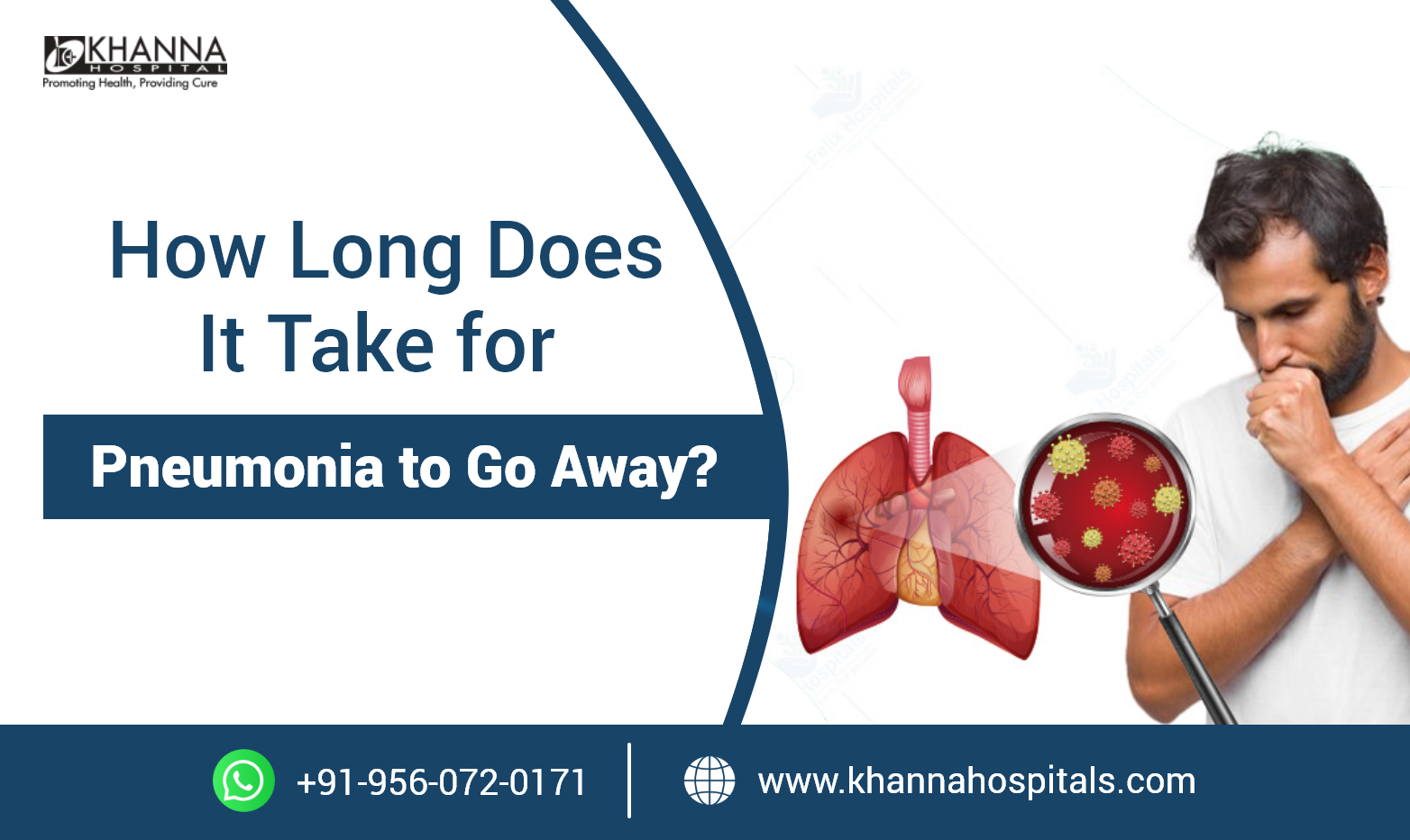
Pneumonia is a serious lung infection, and how long it takes to go away can vary widely from person to person. Recovery depends on the type of pneumonia, how quickly treatment starts, age, and overall health.
Ask Your Query
What is pneumonia?
Pneumonia is an infection that causes inflammation in the tiny air sacs (alveoli) of one or both lungs, often filling them with fluid or pus. It can be caused by bacteria, viruses, or, less commonly, fungi, and each cause can influence how long the illness and recovery last.
Common symptoms include cough (with or without phlegm), fever, chills, chest pain, and shortness of breath. Some people also feel very tired, weak, or may lose their appetite while they are sick.
General recovery timeline
For many otherwise healthy adults, noticeable improvement starts within a few days of proper treatment, but full recovery can take weeks. Some people are able to return to normal routine within about 1–2 weeks, while others may need a month or more.
One helpful way to think about it is in stages (for typical bacterial pneumonia with treatment):
- After about 1 week: fever often settles and breathing may feel a bit easier.
- After about 4 weeks: chest discomfort and mucus usually reduce.
- After about 6 weeks: cough and breathlessness tend to be much better.
- After 3 months: most symptoms are gone, but some people still feel tired.
- After 6 months: many people feel fully back to normal, especially after severe illness.
How long different types of pneumonia last
Different kinds of pneumonia have different typical timelines.
- Bacterial pneumonia: With the right antibiotics, many people start feeling better in 3–5 days, but full recovery can take 2 weeks or longer, and chest X‑ray changes may take 6–8 weeks to clear.
- Viral pneumonia: Symptoms may improve within 1–2 weeks, but in some people, cough and fatigue can last 3 weeks or more.
- Walking (atypical) pneumonia: This milder form can drag on; symptoms may last 4–6 weeks, with cough often being the longest‑lasting symptom.
Severe cases, especially those needing hospital care, may take several weeks to months for full energy and lung function to return.
Factors that affect how long pneumonia lasts
Several factors can make pneumonia clear faster or slower:
- Age: Older adults and very young children often recover more slowly and may have more complications.
- Overall health: Heart disease, COPD, asthma, diabetes, or a weak immune system can all prolong recovery.
- Type of germ: Some bacteria and viruses cause milder infections, while others lead to more serious illness.
- How quickly treatment starts: Early, appropriate treatment usually leads to faster improvement and fewer complications.
- Lifestyle and rest: Adequate rest, fluids, and good nutrition support the immune system and can speed healing.
Even after fever and chest pain go away, fatigue and mild shortness of breath can linger for weeks.
When you are no longer contagious
How long someone with pneumonia is contagious depends on the cause.
For many bacterial pneumonias, people become much less contagious after they have been on effective antibiotics for 24–48 hours and their fever has come down. With walking pneumonia, people can be contagious for 2–4 weeks, including before they even realize they are sick, and remain contagious while symptoms are present.
For viral pneumonia, a person can often spread the virus from a little before symptoms start until a few days after symptoms begin to improve, but this varies by virus.
Tips to support faster recovery
Good home care plays an important role alongside medical treatment.
- Take medicines exactly as prescribed and complete the full course of antibiotics if given.
- Rest as much as your body needs and slowly increase activity as you feel stronger.
- Drink plenty of fluids to help thin mucus and prevent dehydration.
- Eat a balanced diet with enough calories, protein, and vitamin‑rich foods to support immunity.
- Avoid smoking and secondhand smoke, as they irritate your lungs and slow healing.
Follow‑up visits and, sometimes, a repeat chest X‑ray are important to be sure the infection has cleared and to rule out complications.
FAQs:
1. How long does it usually take for pneumonia to go away?
Many people start to feel better within about a week of proper treatment, but cough, tiredness, and reduced stamina can last several weeks. Complete recovery, especially after severe pneumonia, may take up to 3–6 months.
2. Is it normal to still be tired weeks after pneumonia?
Yes, lingering fatigue is common and can last for weeks or even a few months as the lungs and body heal. As long as symptoms are slowly improving, this can be part of normal recovery, but any worsening should be checked by a doctor.
3. How long does walking pneumonia last?
Walking pneumonia often lasts 4–6 weeks, and cough is usually the symptom that stays the longest. Symptoms may be milder than typical pneumonia but can still leave you feeling run‑down for a long time.
4. When can I go back to work or school?
Most people can return when their fever has gone, breathing is reasonably comfortable, and they feel strong enough to manage normal activity. This might be in 1–2 weeks for mild cases but longer after severe illness or hospitalization.
5. Can pneumonia come back after I start feeling better?
Yes, if you resume full activity too quickly, stop medicines early, or have other health problems, symptoms can flare again or complications may develop. This is why finishing treatment and not rushing recovery are very important.
6. When should I seek urgent medical help?
You should seek urgent care if you have trouble breathing, chest pain, bluish lips or face, high fever that will not settle, confusion, or if symptoms suddenly worsen after starting to improve. Babies, older adults, and people with long‑term heart or lung disease should also seek medical advice early, even with milder symptoms.