
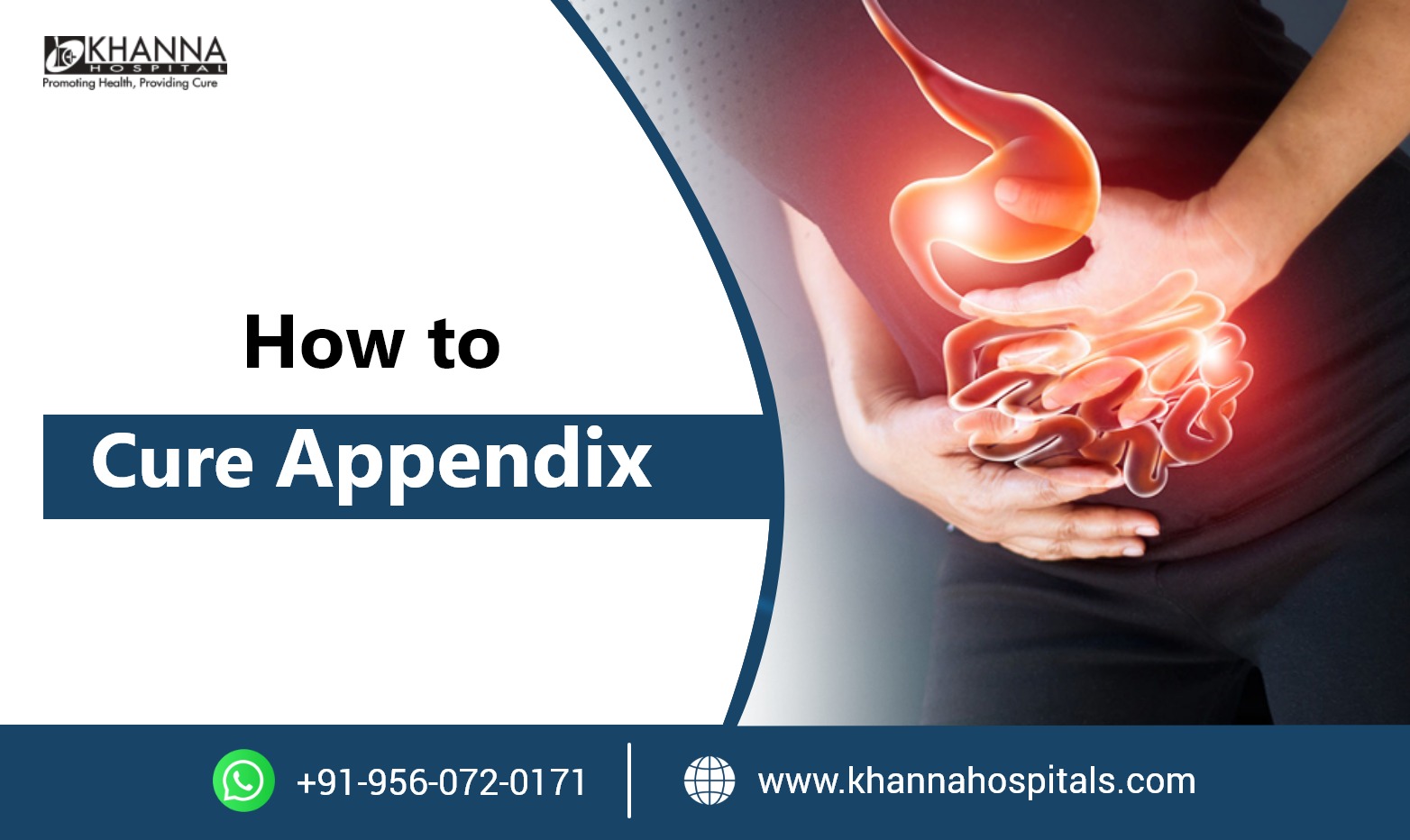
Appendicitis is a serious medical condition that occurs when the appendix becomes inflamed and infected. If not treated in time, it can lead to life-threatening complications. Many people search for how to cure appendix, but the truth is clear: appendicitis requires proper medical treatment—most commonly surgery.
Ask Your Query
In this detailed guide, we’ll expand on treatment options, early management, myths, recovery, and long-term care so you fully understand how appendicitis is cured.
What Is the Most Effective Cure for Appendicitis?
The gold standard treatment for appendicitis is:
1. Appendectomy (Surgical Removal of Appendix)
An appendectomy is the most reliable and permanent cure. It removes the infected appendix before it can rupture.
Types of Appendectomy:
- a) Laparoscopic Surgery
- Minimally invasive (small incisions)
- Less pain and scarring
- Faster recovery (1–3 weeks)
- Preferred in most cases
- b) Open Surgery
- Required if the appendix has ruptured
- Larger incision
- Longer recovery (3–6 weeks)
Once the appendix is removed, the problem does not return.
Can Antibiotics Cure Appendicitis?
In some early or uncomplicated cases, doctors may prescribe antibiotics.
When antibiotics may work:
- Mild inflammation
- No rupture or abscess
- Early diagnosis
Limitations:
- Risk of recurrence remains
- Not suitable for severe cases
- Requires close medical monitoring
In most cases, surgery is still recommended for a permanent cure.
Why Immediate Treatment Is Important
Appendicitis can worsen quickly. Within 24 to 72 hours, the appendix may burst.
If it ruptures, it can cause:
- Peritonitis (infection of abdominal lining)
- Internal abscess
- Sepsis
- Severe complications or death
Early treatment saves lives and reduces recovery time.
Can Appendicitis Be Treated at Home?
No—appendicitis cannot be treated at home.
Common myths:
- Drinking herbal remedies will cure it
- Applying heat reduces inflammation
- Painkillers can fix the issue
Reality:
- These may hide symptoms temporarily
- The infection continues to worsen internally
Always seek immediate medical care.
What to Do Before Reaching the Hospital
If you suspect appendicitis:
- Avoid eating or drinking heavy meals
- Do not take strong painkillers
- Avoid using heating pads
- Try to stay still and avoid movement
- Go to the nearest hospital immediately
Diagnosis Process (How Doctors Confirm Appendicitis)
Doctors use a combination of methods:
1. Physical Examination
- Pressing on the abdomen to check pain location
2. Blood Tests
- Check for infection (high white blood cells)
3. Imaging Tests
- Ultrasound
- CT scan
- MRI (especially in pregnant women)
4. Urine Test
- Helps rule out urinary infections
Accurate diagnosis is important, especially in women where symptoms may overlap with other conditions.
Recovery After Appendix Surgery
Recovery depends on the type of procedure:
After Laparoscopic Surgery:
- Resume normal activities in 1–2 weeks
- Mild pain and discomfort
- Small scars
After Open Surgery:
- Recovery may take 3–6 weeks
- More rest required
- Careful wound management needed
Detailed Post-Surgery Care Tips
1. Wound Care
- Keep incision clean and dry
- Watch for redness or swelling
2. Activity Level
- Avoid heavy lifting for a few weeks
- Start walking slowly to improve circulation
3. Medication
- Take antibiotics and pain relief as prescribed
4. Hydration
- Drink plenty of water
Diet Plan After Appendicitis Treatment
A proper diet speeds up healing:
Best Foods:
- Soft foods (khichdi, soups, दलिया)
- Fruits like banana and apple
- Boiled vegetables
- Whole grains
Foods to Avoid:
- Spicy and oily foods
- Junk food
- Carbonated drinks
- Alcohol
Long-Term Effects After Appendix Removal
Good news: the appendix is not essential.
After surgery:
- No major lifestyle changes required
- Digestive system works normally
- No long-term health issues in most cases
Risk Factors for Appendicitis
Some factors may increase risk:
- Age (10–30 years common)
- Family history
- Low-fiber diet
- Gastrointestinal infections
Prevention: Can Appendicitis Be Avoided?
There is no guaranteed prevention, but you can reduce risk by:
- Eating a high-fiber diet
- Staying hydrated
- Maintaining gut health
- Avoiding chronic constipation
Warning Signs You Should Never Ignore
Seek emergency help if you notice:
- Sharp pain in lower right abdomen
- Pain that worsens with movement
- Fever and chills
- Nausea and vomiting
- Sudden severe pain after mild pain
These may indicate a ruptured appendix.
FAQs:
1. What is the fastest way to cure appendicitis?
The fastest and most effective treatment is surgical removal (appendectomy).
2. Can appendicitis go away without treatment?
No, it usually worsens and can become life-threatening.
3. Is surgery always required?
Most of the time, yes. Antibiotics may work in early cases but are not a permanent solution.
4. How painful is appendix surgery?
Pain is manageable with medication, especially in laparoscopic surgery.
5. How long does it take to fully recover?
- 1–3 weeks (laparoscopic)
- 3–6 weeks (open surgery)
6. Can appendicitis come back after surgery?
No, once the appendix is removed, it cannot return.
7. What happens if you delay treatment?
Delay can lead to rupture, infection, and serious complications like sepsis.
Final Thoughts
When it comes to how to cure appendix, the answer is straightforward:
There is no shortcut or home remedy—medical treatment is essential.
Early diagnosis, timely surgery, and proper recovery care ensure a safe and smooth healing process. Ignoring symptoms or delaying treatment can turn a manageable condition into a dangerous emergency.
If you experience any signs of appendicitis, don’t wait—seek medical attention immediately.