
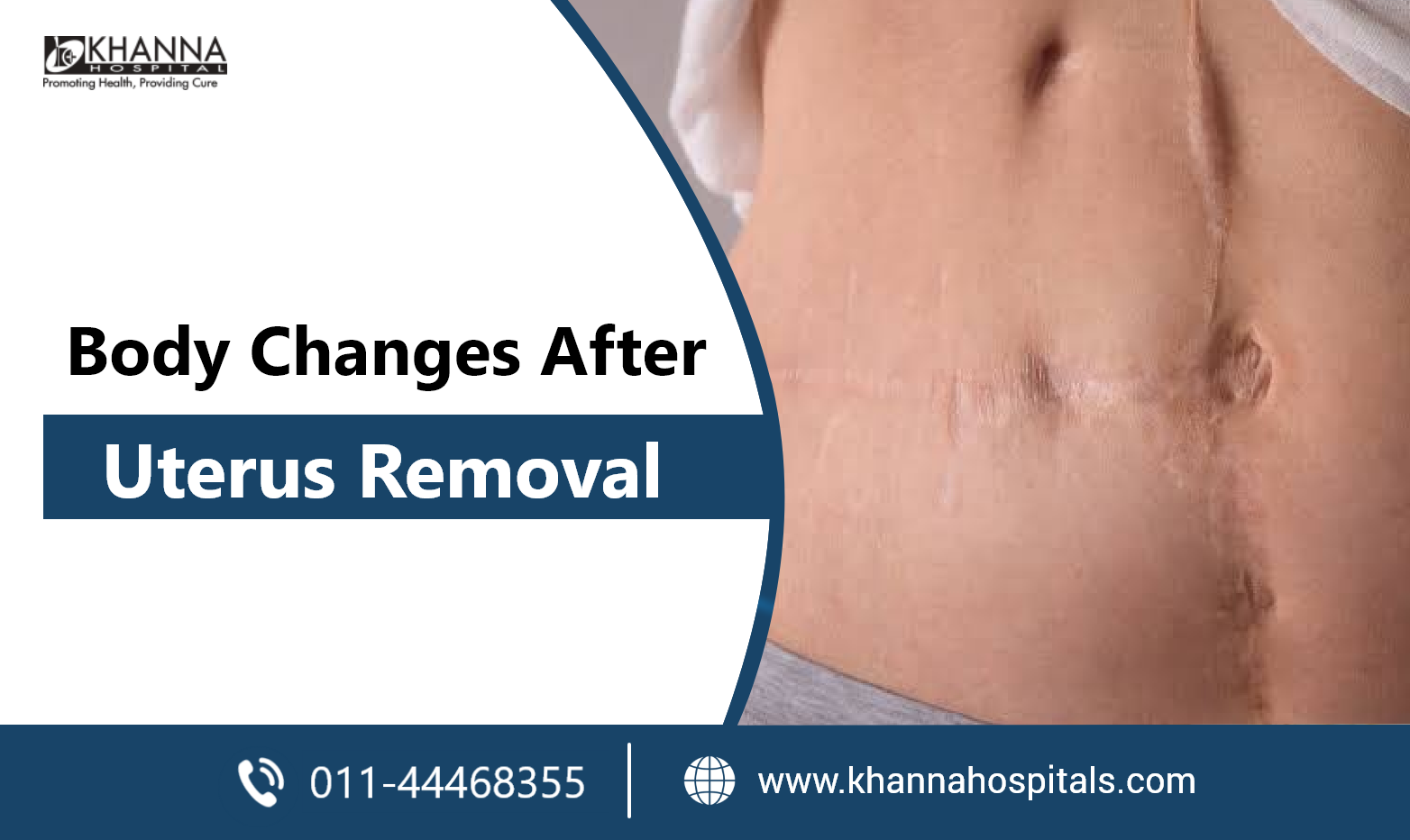
Uterus removal surgery, medically known as a hysterectomy, is a common gynaecological procedure recommended for women with certain medical conditions, such as uterine fibroids, heavy menstrual bleeding, endometriosis, uterine prolapse, or some gynaecological cancers.
Ask Your Query
Although hysterectomy can provide significant relief from pain, excessive bleeding, and other troubling symptoms, many women have questions about how their bodies will change after surgery.
Will your body shape change? Will you gain weight? Will you experience menopause? Will your sex life be affected? Can you continue to live a normal, healthy life?
These are natural concerns, and understanding what to expect can help you feel more confident before and after surgery.
At Khanna Hospital, our goal is to help patients make informed decisions about their health. This guide explains the possible physical, hormonal, emotional, and lifestyle changes after uterus removal in simple language.
The most important thing to understand is that removing the uterus does not automatically cause all the hormonal changes associated with menopause. The changes largely depend on whether your ovaries are preserved or removed during surgery.
What Happens to Your Body After Uterus Removal?
The uterus, also called the womb, is the organ where a baby develops during pregnancy. It also plays an important role in menstruation.
During a hysterectomy, the surgeon removes the uterus. Depending on your medical condition, the cervix, fallopian tubes, and one or both ovaries may also be removed.
Your ovaries produce important hormones, particularly oestrogen and progesterone. These hormones influence your menstrual cycle, bone health, vaginal tissues, and several other functions.
When the uterus is removed but the ovaries remain healthy, your body can continue producing hormones. However, if both ovaries are removed before natural menopause, hormone levels fall suddenly, which can cause menopausal symptoms.
This is why two women who undergo the same surgery may experience different changes afterward.
1. Your Periods Will Stop Permanently
One of the most noticeable changes after a total hysterectomy is the end of menstrual periods.
Normally, the lining of the uterus thickens during the menstrual cycle. If pregnancy does not occur, this lining sheds, resulting in a period.
After the uterus is removed, there is no uterine lining to shed. Therefore, you will no longer experience normal menstrual periods.
Does this mean your hormones will stop working?
No. If your ovaries are left in place, they can continue releasing hormones and functioning according to your natural hormonal cycle.
You may still experience symptoms such as breast tenderness, bloating, or mood changes around the time you would previously have had your period.
If your cervix is retained during a partial hysterectomy, some women may experience occasional light bleeding. Your doctor should evaluate any unexpected or persistent bleeding after surgery.
Remember: Your periods stop after a total hysterectomy, but your ovaries may continue functioning normally.
2. Will Uterus Removal Cause Early Menopause?
This is one of the most common concerns among women considering hysterectomy.
The answer depends mainly on whether your ovaries are removed.
If your ovaries are preserved
If one or both healthy ovaries remain, they can continue producing hormones. You will not automatically enter menopause immediately after surgery.
However, some women may experience menopause earlier than they otherwise would have, even when their ovaries are preserved.
If both ovaries are removed
If both ovaries are removed before natural menopause, the body experiences a sudden reduction in ovarian hormones. This is known as surgical menopause.
Possible symptoms include:
- Hot flashes and sudden feelings of warmth
- Night sweats
- Difficulty sleeping
- Mood changes or irritability
- Vaginal dryness
- Reduced sexual desire
- Fatigue and changes in concentration
The intensity of these symptoms varies from person to person.
Can these symptoms be managed?
Yes. Depending on your age, medical history, symptoms, and the reason for surgery, your doctor may recommend hormone replacement therapy (HRT) or non-hormonal treatments.
HRT is not suitable for everyone, especially some women with hormone-sensitive cancers or particular medical conditions. Your gynaecologist should assess its benefits and risks before prescribing it.
If your ovaries are being removed before the usual age of natural menopause, discuss the long-term effects on bone health and other aspects of health with your surgeon.
3. Will Your Weight Increase After Uterus Removal?
Many women worry about weight gain after hysterectomy. However, uterus removal does not automatically cause weight gain.
Changes in weight after surgery may be related to several factors, including:
- Reduced physical activity during recovery
- Changes in eating habits
- Age-related changes in metabolism
- Hormonal changes if both ovaries are removed
- Existing medical conditions or medications
Some women notice temporary abdominal swelling after surgery. This can happen because of tissue healing, trapped gas after laparoscopic surgery, constipation, or fluid changes. It does not necessarily mean that body fat has increased.
How can you maintain a healthy weight?
Once your surgeon allows you to resume normal activities:
- Eat balanced meals containing vegetables, fruits, whole grains, and protein.
- Drink enough water unless your doctor has advised fluid restriction.
- Increase your physical activity gradually.
- Avoid crash diets and unproven weight-loss supplements.
- Maintain a regular sleep schedule.
If you experience persistent abdominal swelling, unexplained weight gain, or worsening abdominal discomfort, consult your doctor rather than assuming it is a normal result of surgery.
4. Will Your Stomach Become Bigger or Your Body Shape Change?
Some women notice that their abdomen appears larger after hysterectomy. This does not necessarily mean that the surgery has permanently changed their body shape.
Several factors may explain this observation.
Temporary abdominal swelling
Swelling is common during the early recovery period. It may result from the body’s healing response, constipation, reduced movement, or gas following laparoscopic surgery.
The swelling should gradually improve as recovery progresses.
Changes in activity levels
During recovery, you may spend more time resting and less time exercising. Over time, reduced activity can contribute to changes in body weight and muscle strength.
Changes related to menopause
If both ovaries are removed and menopause occurs, hormonal changes may influence body composition and the distribution of body fat.
However, hysterectomy itself does not guarantee that you will develop a larger abdomen, a wider waist, or a different body shape.
If your abdomen becomes increasingly swollen, painful, or firm, especially with vomiting or difficulty passing stool or gas, seek urgent medical assessment.
5. Will Your Hormones Change After Uterus Removal?
The uterus is not the main organ responsible for producing the hormones that regulate the menstrual cycle. The ovaries play that role.
This distinction is important when understanding hormonal changes after surgery.
When the ovaries remain
The ovaries can continue producing oestrogen and other hormones. Consequently, many women do not experience an immediate hormonal change after hysterectomy.
When both ovaries are removed
Hormone levels fall significantly, particularly if the woman has not yet reached natural menopause.
This may affect:
- Body temperature regulation
- Sleep quality
- Mood and emotional well-being
- Vaginal moisture
- Sexual desire
- Bone health over the long term
Not every woman experiences all these effects. If symptoms develop, a doctor can recommend appropriate treatment based on your individual circumstances.
6. Can Uterus Removal Affect Your Sexual Life?
Many women worry that hysterectomy will reduce sexual pleasure or permanently affect their intimate relationships.
The experience varies from person to person. Some women notice little change, while others experience improvements in their sexual well-being.
For example, women who previously experienced severe pelvic pain, painful intercourse, or heavy bleeding may feel more comfortable after recovering from surgery.
However, temporary changes in sexual activity are necessary while the body heals.
Will sexual desire decrease?
Not necessarily. Sexual desire is influenced by physical comfort, hormones, emotional health, relationship factors, and overall well-being.
If both ovaries are removed, the resulting hormonal changes may reduce sexual desire in some women.
Can vaginal dryness occur?
Yes, particularly when ovarian hormone levels fall. Vaginal dryness can cause irritation, discomfort, or pain during intercourse.
Depending on your medical history, your doctor may recommend vaginal moisturisers, lubricants, local vaginal oestrogen, or other suitable treatments.
When can you resume sexual activity?
You should avoid vaginal intercourse until your surgeon confirms that healing is complete. This often means waiting approximately six weeks, although the recommended period can vary according to the surgical approach and your recovery.
Do not resume sexual activity simply because the external incision appears healed. Internal tissues also need time to recover.
7. Will Your Bladder or Bowel Habits Change?
The uterus lies close to the bladder and bowel, so some women notice temporary changes in urination or bowel movements after surgery.
Bladder changes
You may experience temporary difficulty emptying your bladder, urinary discomfort, or changes in urinary frequency.
For some women, treatment of uterine prolapse or pressure-related symptoms can improve bladder function after surgery.
However, hysterectomy does not guarantee that urinary problems will disappear. New or persistent urinary symptoms need medical assessment.
Constipation and bowel movements
Constipation is relatively common during recovery. It may be caused by pain medicines, reduced physical activity, changes in diet, or the effects of surgery.
To help prevent constipation:
- Drink adequate fluids, if permitted.
- Include fibre-rich foods in your diet.
- Take short walks as recommended by your medical team.
- Use stool softeners or laxatives only when advised by your doctor.
Contact your healthcare provider if you cannot pass stool or gas, particularly if you also have severe abdominal pain, vomiting, or increasing swelling.
8. Can Uterus Removal Affect Your Pelvic Floor?
The pelvic floor is a group of muscles and connective tissues that supports the bladder, uterus, and bowel.
Hysterectomy changes the anatomy of the pelvis, but it does not mean that every woman will develop pelvic floor problems.
Some women may experience urinary leakage, a feeling of pelvic heaviness, or vaginal bulging, particularly if they already have pelvic floor weakness or prolapse.
The risk depends on factors such as the reason for surgery, existing pelvic floor problems, the surgical technique, and individual healing.
What can help?
- Follow your surgeon’s restrictions on lifting and strenuous activities.
- Return to exercise gradually.
- Ask whether pelvic floor exercises are appropriate for you.
- Seek assessment if you notice persistent urinary leakage, vaginal bulging, or pelvic pressure.
Pelvic floor physiotherapy may help selected patients. It should be tailored to your needs and started at the appropriate time.
9. Will Your Hair, Skin, or Appearance Change?
Some women notice changes in their skin, hair, or general appearance after hysterectomy, but these changes are not inevitable consequences of removing the uterus.
When the ovaries are removed before natural menopause, reduced oestrogen levels may contribute to drier skin, changes in hair texture, or changes in body composition.
However, these symptoms can also be associated with ageing, nutritional deficiencies, thyroid problems, stress, and other medical conditions.
If you notice significant hair loss, persistent skin changes, or unusual fatigue, consult your doctor to identify the cause instead of assuming that hysterectomy is responsible.
10. Can Uterus Removal Affect Your Bones?
Bone health is particularly important when both ovaries are removed before natural menopause.
Oestrogen helps maintain bone strength. When its levels fall significantly, bone loss can accelerate, increasing the risk of osteoporosis over time.
Women who undergo early surgical menopause should discuss their individual risk factors with their doctor.
Depending on their age and medical history, recommendations may include:
- Adequate calcium and vitamin D intake
- Weight-bearing exercise when medically appropriate
- Avoiding smoking
- Limiting excessive alcohol consumption
- Bone-density testing when indicated
- Hormone therapy or other treatment when appropriate
Do not start calcium, vitamin D, or hormone supplements without discussing your needs with your healthcare professional.
11. Can Your Emotions Change After Uterus Removal?
Hysterectomy can affect emotional well-being as well as physical health.
Some women feel relieved because their pain, bleeding, or other symptoms have improved. Others may feel sadness, anxiety, or a sense of loss, particularly if they had hoped to become pregnant in the future.
Hormonal changes following removal of both ovaries can also affect mood and sleep.
There is no single correct emotional response to this surgery.
If you experience persistent sadness, anxiety, loss of interest in everyday activities, or difficulty coping, speak with your doctor. Counselling and emotional support may help you adjust during recovery.
Remember that needing support does not mean you are recovering poorly.
12. How Long Does It Take to Recover After Uterus Removal?
Recovery depends on the type of hysterectomy, your general health, and whether any complications occur.
Laparoscopic and vaginal procedures often allow a faster recovery than an abdominal hysterectomy, although individual recovery times vary.
Early recovery
During the first few days, you may experience tiredness, mild abdominal discomfort, and some vaginal spotting or discharge.
Your medical team may encourage gentle walking as soon as it is safe. Early movement helps support recovery and reduces the risk of blood clots.
The following weeks
You should gradually regain energy and mobility. Constipation, mild discomfort, and tiredness may persist for a period.
Follow your surgeon’s advice regarding wound care, bathing, driving, work, exercise, and lifting.
Full recovery
Many women need around six to eight weeks for recovery after an abdominal hysterectomy. Some women recover sooner after minimally invasive surgery, while others need longer.
Do not compare your recovery with someone else’s. Your surgeon’s advice should guide your return to normal activities.
13. What Should You Eat After Uterus Removal?
A balanced diet can support healing, maintain energy, and help prevent constipation.
Include protein-rich foods
Protein supports tissue repair. Suitable options may include dal, beans, lentils, yoghurt, milk, paneer, eggs, fish, or lean meat, depending on your dietary preferences.
Eat fruits and vegetables
Fruits and vegetables provide fibre, vitamins, and minerals. Fibre can also help reduce constipation during recovery.
Stay hydrated
Drink adequate water unless your doctor has recommended a fluid restriction.
Choose balanced meals
Include whole grains and other nutritious foods rather than relying on highly processed snacks or sugary drinks.
There is generally no need for a special restrictive diet after an uncomplicated hysterectomy. Your dietary plan may differ if you have diabetes, kidney disease, digestive problems, or other medical conditions.
14. What Activities Should You Avoid After Surgery?
Even when you begin feeling better, internal tissues may still be healing.
During the recovery period, your surgeon may advise you to avoid:
- Lifting heavy objects
- Strenuous exercise and abdominal workouts
- Vaginal intercourse until cleared
- Tampons or vaginal products during the healing period
- Driving while you are taking sedating pain medicines or cannot safely perform an emergency stop
Follow the specific instructions provided by your surgical team. Do not resume heavy exercise simply because you no longer feel pain.
15. Warning Signs After Uterus Removal: When Should You Contact a Doctor?
Although recovery is usually straightforward, complications can occur. Recognising warning signs early is important.
Seek urgent medical assessment if you experience:
- Heavy vaginal bleeding or large blood clots
- Fever or chills
- Increasing abdominal pain or swelling
- Foul-smelling vaginal discharge
- Persistent vomiting or inability to keep fluids down
- Difficulty passing urine
- Inability to pass stool or gas accompanied by pain or vomiting
- Redness, worsening pain, or discharge from an incision
Call emergency services immediately if you develop sudden breathlessness, chest pain, fainting, or one-sided leg swelling or pain, as these may indicate a blood clot.
Do not wait for a routine follow-up appointment if you have serious or worsening symptoms.
Frequently Asked Questions About Body Changes After Uterus Removal
1. Does removing the uterus make a woman gain weight?
No. Hysterectomy does not automatically cause weight gain. Reduced activity during recovery, ageing, dietary changes, and hormonal changes may influence weight.
2. Does uterus removal cause menopause?
Not always. If your ovaries remain functional, you will not automatically experience immediate menopause. Removing both ovaries before natural menopause causes surgical menopause.
3. Will my stomach become bigger after hysterectomy?
Temporary swelling is common during recovery. Permanent abdominal enlargement is not an inevitable result of hysterectomy.
4. Can I have a normal life after uterus removal?
Yes. Many women return to their usual daily activities, work, exercise, and intimate relationships after recovery. Your long-term care depends on your medical history and the type of surgery performed.
5. Can I become pregnant after uterus removal?
No. Once the uterus has been removed, you cannot carry a pregnancy. If future pregnancy is important to you, discuss fertility-preserving alternatives with your gynaecologist before surgery whenever medically appropriate.
6. Will I still need gynaecological check-ups?
Yes, routine healthcare remains important. Whether you need cervical cancer screening or specific pelvic examinations depends on whether your cervix was removed, your previous screening results, the reason for surgery, and your medical history.
7. Does uterus removal affect sexual pleasure?
Not necessarily. Some women experience improved comfort after symptoms resolve, while others may develop vaginal dryness or changes in sexual desire. Appropriate treatment and allowing enough time for healing can help.
8. Can I exercise after uterus removal?
Yes, but exercise should be resumed gradually and only according to your surgeon’s instructions. Gentle walking is often encouraged early in recovery, while strenuous activities and heavy lifting may need to wait.
Conclusion
Body changes after uterus removal vary from woman to woman. The most important factors include whether your ovaries were preserved, your age, the reason for surgery, and how your body heals.
Your periods will stop after a total hysterectomy, but your hormones may continue functioning if your ovaries remain healthy. Weight gain, abdominal enlargement, and changes in sexual desire are not inevitable outcomes.
With appropriate postoperative care, a balanced diet, gradual physical activity, and regular medical follow-up, many women return to a comfortable and active life.
At Khanna Hospital, patients can discuss their concerns with a qualified gynaecologist and receive guidance based on their individual condition, surgical options, and recovery needs.
If you are considering uterus removal surgery or experiencing unexpected symptoms after hysterectomy, consult your gynaecologist for personalised medical advice.
Medical disclaimer: This article is intended for general educational purposes and does not replace an examination, diagnosis, or treatment plan from a qualified healthcare professional.